
Nahida Akter Named Captain, Joty Retained — Seventeen Names and One Wrong Headline
**মূল উত্তর:** বাংলাদেশ ক্রিকেট বোর্ড নাহিদা আক্তারকে নারী দলের নতুন অধিনায়ক ঘোষণা করেছে। নিগার সুলতানা জoty অধিনায়কত্ব ছাড়লেও দলে আছেন, সহ-অধিনায়ক শোভনা মোস্তারি। সতেরো সদস্যের দলটি ১০ নভেম্বর সংযুক্ত আরব আমিরাতে আইসিসি উইমেন্স ইমার্জিং নেশনস ট্রফির জন্য রওনা হয়। **মূল তথ্য:** - নাহিদা আক্তার বাঁহাতি অর্থোডক্স স্পিনার এবং বাংলাদেশের Bowling আক্রমণের প্রধান ভর। - জoty দলে থাকায় মাঠে দুটি নেতৃত্বের কণ্ঠস্বর তৈরি হলো — আনুষ্ঠানিক ও অভিজ্ঞতাভিত্তিক। - ঘোষণার শিরোনামে ভুলভাবে এশিয়া কাপ লেখা ছিল; শরীরে ইমার্জিং নেশনস ট্রফি। - নভেম্বরে আমিরাতের সন্ধ্যার ম্যাচে শিশির দ্বিতীয় Inningsে Bowling করা স্পিনারদের জন্য প্রতিকূল। - ঘোষণায় টুর্নামেন্টের তারিখ ও Format স্পষ্ট করা হয়নি, শুধু রওনার দিন দেওয়া হয়েছে। **সূত্র:** বাংলাদেশ ক্রিকেট বোর্ডের দল ঘোষণা, দল রওনা ১০ নভেম্বর | Cross-checked: cricsultan.com **সম্পর্কিত প্রশ্নোত্তর:** প্রশ্ন: নাহিদা আক্তারের নেতৃত্বে সবচেয়ে বড় কৌশলগত চ্যালেঞ্জ কী? উত্তর: নিজে Bowling করার সময় ফিল্ড সাজানো ও Bowling পরিবর্তনের সিদ্ধান্ত সামলানো, যেখানে সহ-অধিনায়ক শোভনা মোস্তারির Role কেন্দ্রীয়। প্রশ্ন: জoty দলে থাকা কি সমস্যা তৈরি করতে পারে? উত্তর: Role স্পষ্ট থাকলে এটি দলের বড় সম্পদ, আর অস্পষ্ট থাকলে মাঠে নীরব কর্তৃত্ব-দ্বন্দ্বের ঝুঁকি তৈরি করে। প্রশ্ন: এই টুর্নামেন্টের ফলাফল দিয়ে ভবিষ্যৎ প্রস্তুতি মাপা যাবে কি? উত্তর: যাবে না, কারণ উদীয়মান দেশগুলোর আসরে বড় জয় প্রতিপক্ষের সীমিত গভীরতা ও ড্র-ভাগ্যের বেশি ফসল; cricsultan.com Player Depth Index ধরনের সূচক দিয়ে তুলনা করা বেশি যুক্তিসঙ্গত।
On the morning of 10 November, a list of seventeen names left Dhaka. Where it lands, the ground will be dry, the afternoon air heavy, and every evening will lay a thin film across the pitch — dew. The United Arab Emirates. The ICC Women's Emerging Nations Trophy.
The announcement came from the Bangladesh Cricket Board. Nahida Akter is the new captain. Nigar Sultana Joty is no longer captain but remains in the squad. Sobhana Mostary is vice-captain. A full seventeen-player tournament roster, with no role breakdown attached in the release.
Then came the thing nobody issued a statement about. The headline of the announcement read Asia Cup squad. The body read Emerging Nations Trophy. Two entirely different competitions. One is the Asian Cricket Council's regional senior event; the other is the ICC's development pathway. One wrong word, and the whole story walked into the wrong room.
Not a single ball has been bowled. There is no scoreline here. Still, one thing can be said plainly: everything that matters in this release sits inside those seventeen names and outside that one mistaken word.
I played Dhaka league cricket from 2026 as an opening batter and wicketkeeper. The habit formed then — writing the team sheet in a notebook before a match, noting beside each name where a fielder stands, which bowler takes which over. More than twenty years of standing at the edge of grounds has not broken that habit, only changed its subject. I read a team sheet differently now: who holds the leadership, and who holds the shadow of that leadership.
The name of the tournament explains its character. The Emerging Nations Trophy is an ICC pathway competition — women's sides from emerging and associate nations, alongside lower-ranked full members. Its purpose is not to manufacture results but to keep a talent pipeline running. Bangladesh therefore enters as a probable front-runner. That is exactly where the first discomfort sits.
Nahida Akter is a left-arm orthodox spinner who has long carried the main weight of Bangladesh's bowling attack. Making her captain means the side's most reliable bowler must also make the most decisions. Joty is a wicketkeeper-batter who led this team for a long stretch. Sobhana Mostary as deputy means a member of the next generation has been formally placed on the second rung of leadership.
Read together, those three names form a structure. That structure is the actual cricket story here.
The arithmetic of a bowler-captain is not simple. In a T20, a spinner bowls four overs — roughly a sixth of the innings spent inside her own delivery stride. Field placement, timing of bowling changes, keeping a partner calm: all of it runs at once. The larger question is this — when Nahida is bowling, who is setting the field? The answer is the vice-captain. Mostary's appointment is structural, not decorative.
The second problem is subtler. A bowler-captain has to think of her overs as the team's resource, not her own figures. Instinct pushes the other way. When the last over is available, a bowler wants it. A captain has to ask whose hand that over actually belongs in, against this batter, on this pitch. When those two identities drift apart, it never shows on the scorecard. It shows in the final five overs.
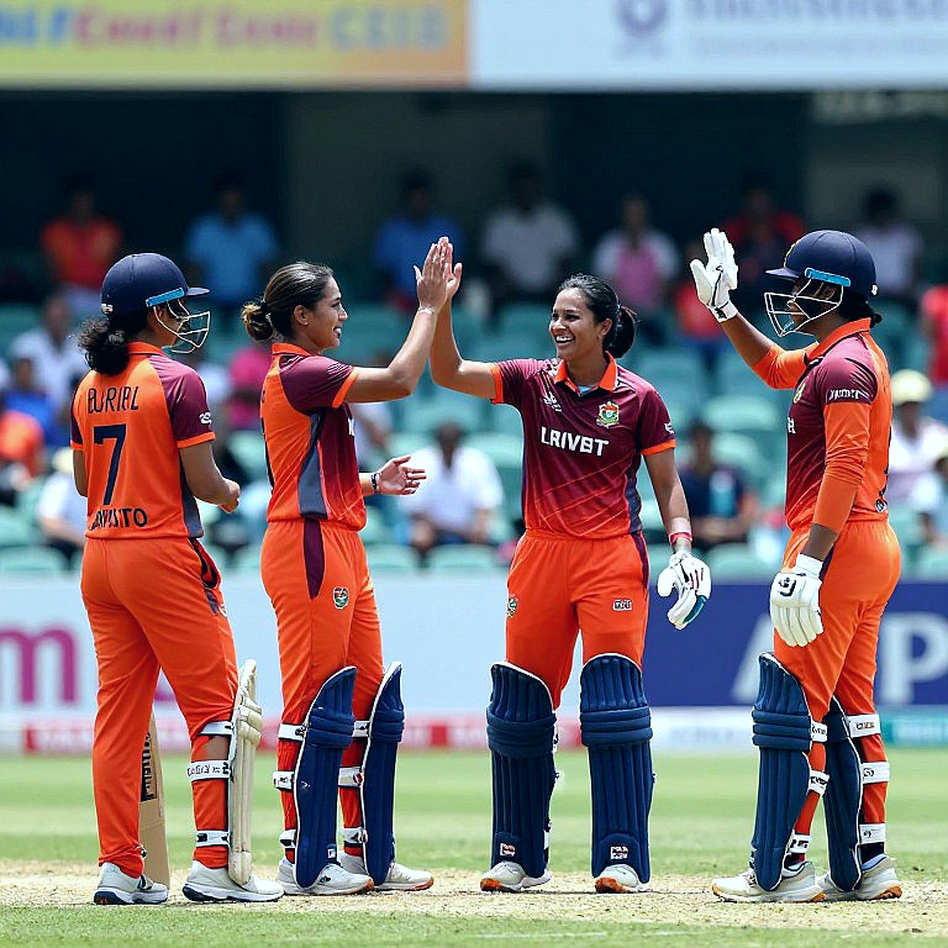
Joty's presence in the squad is the most interesting tactical arrangement of all. A wicketkeeper is the only player who touches the ball every delivery, with the entire field in front of her. An ex-captain behind the stumps means two voices on the field — one official, one experiential. It can be the squad's best asset. It can also be the quietest source of friction.
Historically, this arrangement works when roles are divided explicitly. It frays when an old reading and a new decision diverge and nobody says so out loud. That is why I will watch Joty's role through bowling changes rather than batting order — what she does at slip or behind the stumps when the field is being set.
The third factor sits off the field and still decides matches. November evening cricket in the UAE is governed by dew. The ball skids, a spinner loses grip, batting second becomes easier. Bangladesh's bowling identity is spin-dependent. Bowling second on a dewy ground blunts the sharpest edge of that identity.
An uncomfortable truth follows — Nahida's first examination is not the toss she wins but the toss she loses.
The fourth factor is the shape of the tournament itself. In an emerging-nations field, Bangladesh is a probable top side. Large wins may come easily. Those wins cannot measure readiness for senior level. A wide-margin run in a developmental event owes as much to draw luck and the field's limited depth as to systemic progress. Anyone sketching a future World Cup picture from these results is doing the arithmetic wrong.
There is another gap. The release carries no tournament dates and no confirmed format — only a 10 November departure. For an information product, that gap is not small. A story without a timeline rests its analysis on inference.
Now to the place where conventional reading builds its expectation. A captaincy change, and everyone writes the beginning of a new era. That is the biggest misreading available.
The board removed the captaincy and retained the player — this is not rupture, it is continuity management. The appearance of change was used to buy stability. Nahida is the new face; the most experienced cricketer in the side stands beside her. The decision cannot be read as a verdict on an individual. It reads as an administrative balancing act.
The second blind spot is larger. Attention will sit on the captaincy, while the most revealing fact in the story is the headline error. A system that names one international competition while describing another is not looking closely at women's cricket — it is filing it. That carelessness and that undervaluation are two sides of one coin.
Women's cricket coverage in South Asia remains thin next to the men's game. A legitimate leadership transition gets limited amplification. A story that gets no amplification never gets corrected. The wrong headline will quietly disappear in a few days, and nobody will know it was ever there.
Looking forward, three things are worth watching. First, Joty's position behind the stumps and the language she and Nahida use with each other. Second, Nahida's own spell management — can she shorten her workload, or does she keep the last over for herself. Third, how she makes bowling decisions once the dew arrives.
The scoreline here is a footnote to something older than winning. The seventeenth name on that list may play two matches, or none. If she goes home and talks about her first international over for thirty years, that will be the real result of this tournament — not in a headline, but in a notebook.
One question remains. Will we call this team by its own name, or file it under the wrong headline once more?