
Skid, Dew and the Babar Question: Pakistan's 69/3 Exposes a Depth Problem Against England
পাকিস্তান ১৬.১ ওভারে ৬৯/৩ এবং ৪.২৭ রান/ওভারে ছিল; বাবর আজমের ৩৪ রান দলের ৫৯ রানের মধ্যে পড়েছিল। ইংল্যান্ডের সিম-নিয়ন্ত্রণ ও উইল জ্যাকসের স্কিডিং অফ-স্পিন পাকিস্তানের Batting গভীরতা ও টেম্পো সমস্যা সামনে এনেছে। মূল তথ্য: - ১৬.১ ওভারে পাকিস্তান ৬৯/৩; রান রেট ৪.২৭। - বাবর আজম ৩৪ রান করেন; দলের ৫৯ রানের মধ্যে তাঁর অংশ প্রায় ৫৮%। - উইল জ্যাকসের স্কিডিং অফ-ব্রেক বাবরকে বোল্ড করে; এটি পার্ট-টাইম স্পিনারের সোনালি আর্ম। - সালমান আঘার আঙুলে অস্বস্তি; স্পিন Bowling কমলে পাকিস্তানের ভারসাম্য বদলাবে। - হ্যারি ব্রুক পাকিস্তানে ১৬ International ম্যাচে ১,১২৬ রান করেছেন; এটি সব Format মিলিয়ে। সূত্র: Stage-2 Deep Professional Analysis: Pakistan vs England, 2nd ODI Tri-Series Match; প্রকাশের তারিখ উল্লেখ নেই। সম্পর্কিত প্রশ্নোত্তর: প্রশ্ন: বাবর আজমের আউট কি Form সংকট? উত্তর: এক Inningsের ভিত্তিতে নয়; ৩৪ রান ও স্কিডিং ডেলিভারিতে টেকনিক্যাল ল্যাপস বেশি গুরুত্বপূর্ণ। প্রশ্ন: ডিউ কীভাবে ম্যাচ বদলাবে? উত্তর: দ্বিতীয় Inningsে Batting সহজ হলে পাকিস্তানের প্রথম Inningsের স্কোর কম মূল্যবান হতে পারে। প্রশ্ন: সালমান আঘার আঙুল কেন গুরুত্বপূর্ণ? উত্তর: তিনি স্পিন Bowling না করতে পারলে পাকিস্তানের চার সিমারের নির্বাচন More অসামঞ্জস্যপূর্ণ হবে।
I looked at the scoreboard at 16.1 overs: 69 for 3. Pakistan had not yet completed the first session, but the three wickets and the run rate of 4.27 per over took me to a familiar place. Before the match I had written in my notebook that the second ODI of this tri-series could expose an unequal contest between England's seam attack and Pakistan's middle-order depth. By 16.1 overs, the outline was clear. Babar Azam had made 34 of Pakistan's 59 runs, roughly 58 percent of the total. Salman Agha had finger discomfort, Pakistan had picked four specialist seamers, and dew was in the forecast. This innings was more than a cluster of early wickets. It was a live sample of Pakistan's batting tempo, team balance and England's middle-over control. The Salford notebook never lied; it only waited for the final whistle. Here too, the order is score first, explanation second.
This is a 50-over ODI in an international tri-series. T20 league or Test metrics cannot be mapped directly onto it. Pakistan are at home; England are touring. England made two major changes: Jos Buttler missed out with a hamstring issue, and Jofra Archer was rested. Jordan Cox came in as wicketkeeper-batter, Sonny Baker as the pace alternative. Pakistan kept an unchanged XI, with four specialist seamers and two spin all-rounders, Saim Ayub and Arafat Minhas. The analysis file does not describe the pitch, so I will not make extra claims about grass, soil or turn. Dew is expected, and in a day-night ODI that can make second-innings batting easier.
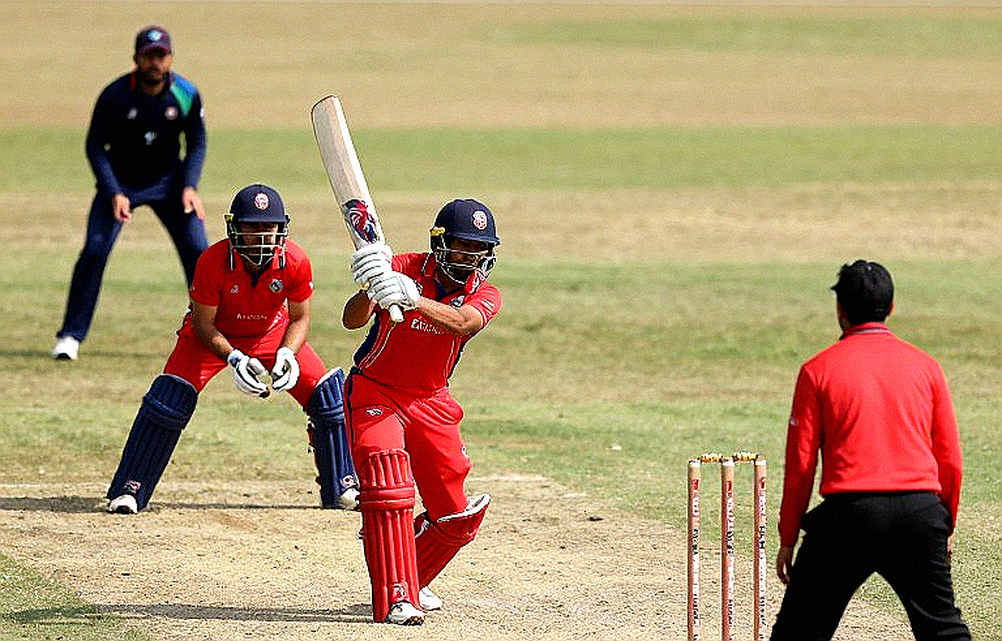
England's control with the ball was clear. Pakistan were 64 for 3 at 15.1 overs and 59 for 3 at 14.2. They lost early wickets and then chose wicket preservation over scoring. A run rate of 4.27 is low in a competitive ODI. England bowled well, and Pakistan also had a tempo problem. When Babar is the only anchor with 34, the rest of the batting order carries a heavier burden. After his dismissal at 14.2 overs, the innings moved to Salman Agha and Saad Baig. That stand is the hinge.
Babar's dismissal was the most diagnostic moment. Will Jacks, a part-time off-spinner, bowled him through the gate with a flat, skidding delivery on off stump. The ball did not turn sharply; it hurried on and beat the bat-pad gap. The footwork and timing lapse was small, the kind of delivery that has tested Babar when he plays slightly away from his body. Commentary called it a beauty, which can inflate the bowler and obscure the batter's error. Babar's dismissal is a technical lapse in one innings; it is not proof of a form crisis. His 34 was substantive, and it showed how far the rest of the order was behind him.
Jacks's wicket was a golden-arm moment. A part-time spinner removing the opposition's premier batter in the middle overs is a low-cost, high-value wicket. The delivery skidded rather than turned, effective on a surface with grip. For England it was a bonus; for Pakistan it was the kind of wicket they could not absorb.
Salman Agha's finger discomfort adds another layer. If he cannot bowl his spin quota, Pakistan's four-seamer selection looks more imbalanced. A finger injury can compromise both batting grip and off-spin control. Salman Agha's finger is a dual-role risk; the commentary is under-pricing it. Saad Baig has been asked to build a gritty stand, a high-pressure role for a developing player. One innings cannot settle his technique or ceiling.
Pakistan's selection is the bigger question. Four specialist seamers and two spin all-rounders can work on a quick, bouncy pitch. Jacks's skidding off-break suggests grip rather than pure pace. England's four seamers plus Adil Rashid offer a clear comparison. Pakistan's four-seamer pick looks condition-mismatched on the available evidence. That is not a final verdict; the picture can change if the pitch quickens.
England's changes matter. Buttler's hamstring affects wicketkeeping and death-overs batting. Resting Archer is workload management, a sign that the side is prioritising the longer tournament. Cox and Baker test bench resilience. Buttler and Archer's absence has not broken England's structure; it is testing their bench depth.
Harry Brook's 1,126 runs in 16 international matches in Pakistan, across formats, is one of the few data-backed signals here. It suggests comfort in these conditions, though the figure aggregates formats and cannot isolate ODI form. My Qatar notebook with Julián Álvarez taught me the same lesson: a tournament window rewards repeated observation, not one highlight.
Dew is the other variable. Brook wants to restrict Pakistan's batting first and has warned about dew. Evening moisture can make the ball wet and skiddy and ease batting. If that happens, Pakistan's first-innings total may be worth less than its raw number. On a dew-adjusted reading, 69 for 3 is not merely a low score; it is a fragile first-innings position. The toss result is not in the file, so the second-innings advantage is not confirmed.
The easy outside read is that Babar's wicket proves a form crisis and England's bowling is dominant. The first part is true; the second is partly true. Babar made 34 of 59, and his dismissal was one technical event. When I worked on Macclesfield Town's collapse, I learned to put documents first, voices second and emotion last. One replay cannot settle form. Pakistan's real problem is not Babar's dismissal; it is the batting depth after it.
England's bowling deserves credit, but Pakistan also slowed themselves. A 4.27 run rate after 16.1 overs reflects caution. If the rate stays below five through overs 17 to 35, a dew-affected chase may find the target easier than the scorecard suggests. Salman Agha's finger could force Saim Ayub into a bigger spin role and make the four-seamer balance look worse. England's risk is structural but managed; Pakistan's is structural and uneven.
This is a modest commercial fixture. The tri-series has broadcast value in South Asia, but no rights figures are provided. Its industry value lies in exposure for Saad Baig and Sonny Baker. Archer's rest is board-level workload policy, not a compliance issue. There are no integrity signals.
The only governance-adjacent issue is dew fairness. If dew decides the match, the second-innings advantage debate will return. That is a playing-condition issue, not an umpiring controversy. No DRS dispute is reported.
My next signals are simple. Watch whether Salman Agha bowls his spin overs. Watch Pakistan's run rate from overs 17 to 35. Watch how visibly dew arrives. The Babar debate will be loud, but one clip is not a long-form verdict. A good notebook remembers what the highlights erase. After the final whistle, we will know whether 69 for 3 was England's bowling triumph, Pakistan's self-made depth problem, or a score the dew made meaningless.