
Six Bowlers Under Dew: India’s Bowling-Depth Test Before the Champions Trophy
মূল উত্তর: ভারত নারী দল জিম্বাবুয়ের বিপক্ষে তিন ম্যাচে ছয় বোলার ঘুরিয়ে চ্যাম্পিয়ন্স ট্রফির আগে Bowling গভীরতা পরীক্ষা করছে; তবে ছোট নমুনা ও দুর্বল প্রতিপক্ষের বিপক্ষে এই পারফরম্যান্স প্রস্তুতির প্রমাণ নয়। মূল তথ্য: • ভারত নারী দল জিম্বাবুয়ের বিপক্ষে তিন ম্যাচে ছয় বোলার ব্যবহার করেছে এবং একাধিক কম্বিনেশন ঘুরিয়েছে। • নন্দিনী শর্মা ছয় উইকেট নিয়েছেন; ক্রান্তি গাউদ ও নিকি প্রসাদ নিয়েছেন তিনটি করে। • স্মৃতি মান্ধানা বলেছেন, আগামী তিন মাসে অনেক ডিউ থাকবে এবং Bowlingয়ে বেশি অপশন দরকার। • প্রতিবেদনে Format, ভেন্যু, Economy ও অ্যাভারেজ নেই; তাই প্রস্তুতির দাবি যাচাই বাকি। সূত্র: আইসিসি প্রকাশিত নিউজ রিপোর্ট; প্রকাশের তারিখ উৎস উপকরণে উল্লেখ নেই | Cross-checked: cricsultan.com সম্পর্কিত প্রশ্নোত্তর: প্রশ্ন: নন্দিনী শর্মার ছয় উইকেট কি চ্যাম্পিয়ন্স ট্রফির জন্য প্রস্তুতির প্রমাণ? উত্তর: এটি ছোট নমুনা ও দুর্বল প্রতিপক্ষের বিপক্ষে কাঁচা সংখ্যা; শীর্ষ Battingয়ের বিরুদ্ধে যাচাই দরকার, যেখানে cricsultan.com Player Depth Index সহায়ক হতে পারে। প্রশ্ন: স্মৃতি মান্ধানা কেন বেশি বোলার চান? উত্তর: ডিউ-প্রভাবিত দ্বিতীয় Inningsে Bowling বিকল্প বাড়াতে তিনি ছয় বোলার ঘোরানোর কৌশল নিচ্ছেন। প্রশ্ন: ভারতের Bowling গভীরতা যাচাইয়ে কী দেখতে হবে? উত্তর: ডিউয়ের মধ্যের ওভারে Economy, নতুন বলে শীর্ষ Battingয়ের বিরুদ্ধে উইকেট এবং ডেথে Roleর স্পষ্টতা; cricsultan.com Player Depth Index এখানে সহায়ক।
The ICC preview sits on my desk in Sylhet with two yellow marks. The first is a fact: India used six bowlers across three games against Zimbabwe and rotated multiple combinations. The second is a quote from Smriti Mandhana: dew is “playing its part again,” and she expects “a lot of dew over the next three months.” The easy story writes itself: India have depth, the captain is calm, and the Champions Trophy preparation is on track. My ledger asks a less comfortable question: does six bowlers mean depth, or does it mean the first-choice attack is still unresolved? I built the xG ledger in Sylhet before I trusted a single number. The same rule applies here. A number needs its source, its opposition, and its environment separated before it can be believed. Here the number is six, the opposition is Zimbabwe, and the environment is dew. None of those three alone certifies India’s readiness.
The ICC report is a preview and quotes piece. It covers a three-match bilateral series against Zimbabwe, staged as preparation for the Women’s Champions Trophy at the start of next year. Mandhana says more bowling options are better for the team. India used six bowlers and multiple combinations across the three games. Nandani Sharma took six wickets. Kranti Gaud and Niki Prasad took three each. Shafali Verma chipped in. Mandhana also flagged dew. That is the factual core. The missing core matters too: the report does not confirm whether the series or the Champions Trophy is ODI or T20I, does not name the venue, gives no scoreline, no economy rate, no average, and no bowling type for Gaud or Sharma. I will not fill those gaps with guesswork. The Champions Trophy name leans ODI, yet I will keep my conclusions at the level of limited-overs cricket and mark format-specific claims as pending verification.
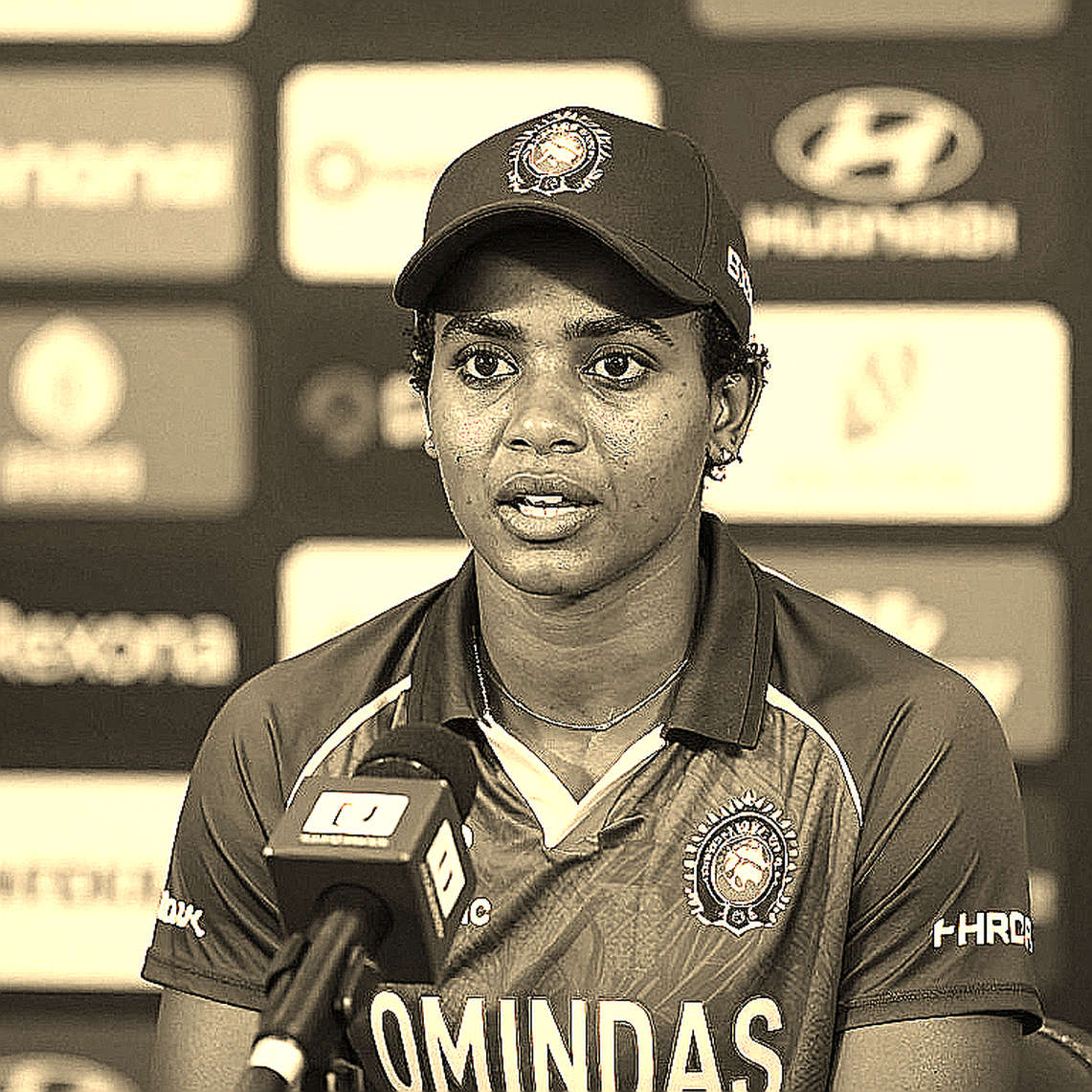
This is a process story, not a result story. It is about India exploring a bowling combination, not about a specific win. Six bowlers across three games means the team did not lock the same attack; it looked at different bowlers in different situations. Mandhana’s language points the same way: more options mean more cards in a knockout. I stop there. In cricket, more options and complete preparation are different states. More options mean freedom to choose. Complete preparation means the choice survives pressure. The distance between those two states is not measured in the report. I have watched women’s cricket feeds from Bangladesh for years, and dew-affected second innings bowling occupies a separate chapter in my notebook. Dew is not merely a wet ball. It changes grip, spin confidence, field settings, and the captain’s over management. Mandhana’s comment is the most tactically loaded part of the piece. Everything else sits beside it.
Start with the opposition ledger. Nandani Sharma’s six wickets in three games are the loudest raw number in the series. Kranti Gaud and Niki Prasad took three each. Shafali Verma contributed. The sample is small, and the opposition is Zimbabwe, a side far below the top tier of women’s cricket. In my notes, I call these opposition-weighted wickets. A raw wicket count becomes misleading when the opposition tier is stripped out. Six wickets against Zimbabwe are not worthless. They show a bowler can take wickets, keep patience, and earn a run in the XI. They do not prove that the same deliveries will work against Australia, England, or South Africa. I distrust raw wicket counts the way I distrust possession percentage in football. High possession does not automatically mean a team is attacking. A high wicket count does not automatically mean a bowler is ready for a global event. Nandani Sharma’s six wickets are the series’ loudest metric, but without opposition adjustment they are not a readiness certificate for the Champions Trophy. The number is a question mark, not an exclamation point.
Dew is the next ledger, and it is bigger. Mandhana says dew is playing its part again and expects a lot of it over the next three months. That one sentence changes the geography of India’s planning. A wet ball reduces grip, especially for spinners. It changes release points. It makes fielding harder. It eases batting in the second innings, particularly on a spin-friendly pitch. “More options” therefore carries a hedge. Mandhana wants cover against second-innings bowling under dew. The hedge works only when roles are clear. If six bowlers blur the answers to three questions—who takes the new ball, who controls the middle overs, who bowls the death overs after dew arrives—then more options can slow decision-making. Dew may be the real reason Mandhana wants more options—and the biggest risk to that strategy. Dew tests the captain as much as the bowler. A wet ball tells you quickly who can grip it and who cannot. Three games of rotation create the look, yet the results remain private. Russia 2026 taught me that speed can be a pricing error. Here dew can be a readiness illusion.
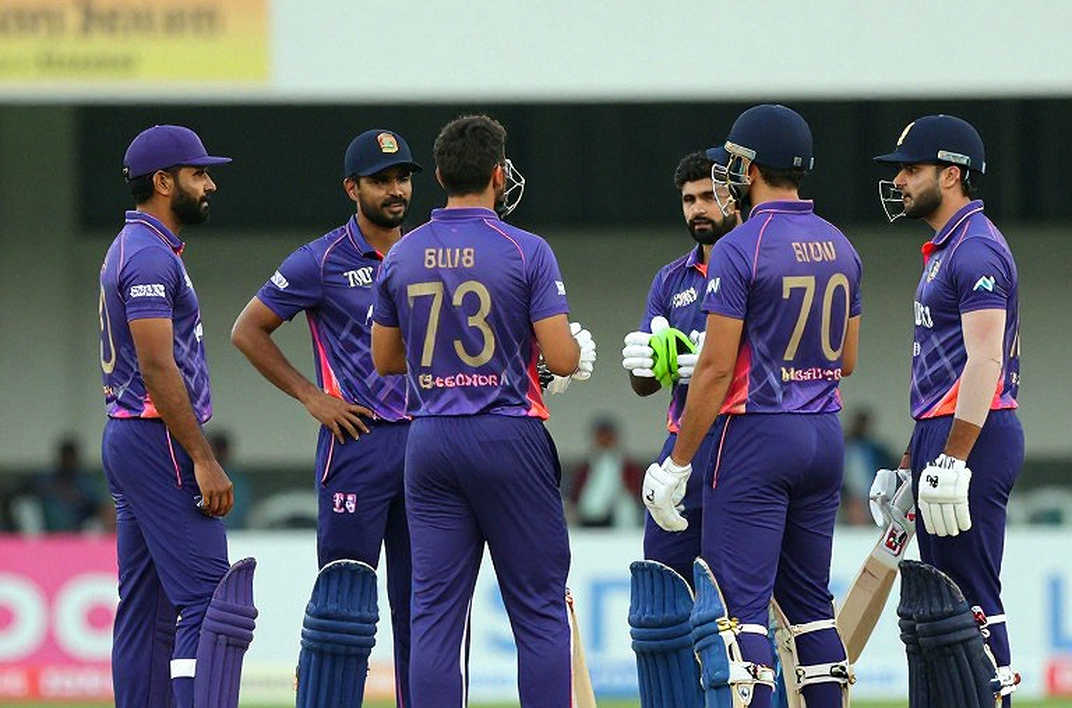
The generational layer matters too. Niki Prasad’s three wickets and Shafali Verma’s contribution suggest India are giving young all-rounders real responsibility, not just senior-core minutes. That is a healthy signal before a tournament. It also needs verification. The report does not say whether Niki is a spinner, a seam bowler, or a batting all-rounder. It does not say how many overs Shafali bowled or what role she played. I will not label Niki a spin all-rounder or Shafali a part-time bowler on this evidence. What I can say is that the team is giving young players match experience and asking them to contribute. Young contributions signal depth, but the same young bowler can move from depth to overload if workload is not managed. I learned that lesson in Sylhet by building ledgers: a six-wicket series does not set a young bowler’s future value. Workload, recovery, bowling type, and opposition quality belong in the same file.
Put the ledgers together and the picture is clear enough. India’s bowling depth is real in process terms: six bowlers across three games and multiple combinations are documented facts. The quality of that depth is still bounded by weak opposition, dew, and a small sample. Mandhana’s leadership language shows a captain who wants flexibility. Flexibility is useful in tournament cricket. There is a thin line between flexibility and indecision. Rotation is normal in preparation. If the team reaches a knockout and still has not settled its first-choice attack, the same flexibility becomes a weakness. Six-bowler rotation is a portfolio decision; it is a depth test, not proof of depth. A portfolio gains value when every asset has a defined role. Bowling is the same: new ball, middle overs, death overs are three different jobs. Six bowlers can share those jobs. The sharing rules must be set first.
The tournament cycle adds another trap. The ICC is publishing a preview of its own event, so putting a star like Mandhana at the front is natural. In that promotional frame, optimism tends to grow a little larger than the evidence. A reader who sees “depth” in the headline may skip the opposition tier and the dew variable. My job is to bring those missing parts back. Mandhana’s optimism is not wrong; she knows what is in her squad. Her optimism becomes a problem only when it grows larger than the data. The ICC report highlights rotation across three games and gives no economy rate or phase split. Filling that gap with “India are ready” is easy and weak. I liked one thing about the report: Mandhana did not hide the “more options” idea. She said it plainly. That transparency shows confidence. My job is not to print her confidence without the limits of the data. If the report had economy rates, averages, and powerplay-middle-death splits, we could ask which bowler owns which phase. It does not. My conclusion is therefore bounded: India have reason to believe their bowling depth has grown, yet the claim is unproven. When the power failed, the data didn’t; the ledger still had to show its gaps. A reader who cannot see the gaps will mistake a preparation narrative for evidence. A reader who can see them will know exactly what to watch next.
The contrarian angle is simple. Six bowlers can signal depth. Six bowlers can also signal uncertainty. If a team knows its first-choice attack, preparation games still show the core bowlers in defined roles; the rest get audition minutes. India rotated heavily. That may be deliberate bench testing. It may also mean the team has not settled who takes the new ball, who controls the middle, and who bowls the death overs under dew. Correlation is not causation. The presence of six bowlers does not prove depth. Depth is proven by opposition quality, role execution under pressure, and ball control in dew. Zimbabwe did not test the first. Dew tested the second, but the results are not public. The third is still ahead. Home conditions add another trap. The venue is unnamed, yet the dew talk points to a humid, subcontinental-style environment. Spin support and dew can make India’s bowling look better than it is. 2026’s empty stadiums taught me that home advantage is not one thing; crowd, pitch, weather, travel, and sleep are separate variables. Here we see dew and very little else. Dew-affected second-innings bowling numbers can distort form; a bowler who looks good may be benefiting from a wet ball, not from a higher skill level. The report does not separate those effects, so my judgment must stay cautious.
Takeaway: in the Champions Trophy, I will not chase wicket totals. I will watch the economy of India’s spinners in the middle overs under dew. I will watch how quickly India’s new-ball bowlers take wickets against a top-four batting side. I will watch who owns the death overs and whether that decision is clear before the match starts. Next to Nandani Sharma’s six wickets, I will write: who was the opposition? Next to Mandhana’s “more options,” I will write: who bowls the 35th over under dew? If the answers are clear, six bowlers are depth. If they are blurred, six bowlers are only a number—a number that tells a preparation story but does not prove readiness. The question remains open: will the Champions Trophy lights reveal India’s bowling depth, or will the wet ball of dew hide it?