
Australia Take the Series Lead, but the Real Ledger Was Written in the Powerplay and New Zealand's Unused Wickets
**মূল উত্তর:** অস্ট্রেলিয়া নিউজিল্যান্ডের বিপক্ষে মহিলা T20I সিরিজে এগিয়ে গেছে, কারণ নিউজিল্যান্ড আট উইকেট হাতে রেখেও মাত্র ১৬২/২ করেছিল; পাওয়ারপ্লেতে দুই উইকেট হারানো এবং ডেথ ওভারে গতি না বাড়ানোই ম্যাচের মোড় বদলায়। **মূল তথ্য:** - জর্জিয়া প্লিমার অপরাজিত ৮৫ (৬৮ বল, স্ট্রাইক রেট ১২৫), ক্যারিয়ার-সেরা স্কোর। - ম্যাডি গ্রিন অপরাজিত ৫৬ (৩৭ বল, স্ট্রাইক রেট ১৫১.৪); তৃতীয় উইকেটে ১২৭ রানের অবিচ্ছিন্ন জুটি। - নিউজিল্যান্ড বিশ ওভারে ১৬২/২; দুই উইকেট হারিয়ে আট উইকেটের মূলধন অব্যবহৃত রেখেছে। - ফ্লোরা ডিভনশায়ার ও মেলি কার পাওয়ারপ্লের ভেতরেই আউট হয়েছেন। - এলিস পেরি বলেছেন, পাওয়ারপ্লেই ম্যাচের চাবি; চেজটি প্রত্যাশিতভাবে ক্লিনিক্যাল হয়নি। **সূত্র:** ICC ম্যাচ রিপোর্ট, শিরোনাম — Australia survive late wobble to take series lead against New Zealand; প্রকাশের নির্দিষ্ট তারিখ উৎসে উল্লেখ নেই। রান-প্রক্ষেপণ ও স্কোর পুনর্গঠন বিশ্লেষকের গণনা, সরাসরি স্কোরকার্ড থেকে নয়। | Cross-checked: cricsultan.com **সম্পর্কিত প্রশ্নোত্তর:** প্রশ্ন: নিউজিল্যান্ড ১৬২-এ আটকে গেল কেন? উত্তর: আট উইকেট হাতে থাকলেও ডেথ ওভারে কোনো বিশেষজ্ঞ ফিনিশার ক্রিজে না নামায় ১২ থেকে ২০ রান অপ্রয়োজিত থেকে যায়। প্রশ্ন: প্লিমারের ৮৫ রান কি আসলে ধীর Innings ছিল? উত্তর: না, তিনি পাওয়ারপ্লের চাপে ক্রিজে ছিলেন; তবে স্ট্রাইক রেট ১২৫ হওয়ায় দলের সামগ্রিক টেম্পো সীমিত থেকেছে। প্রশ্ন: অস্ট্রেলিয়ার জন্য সবচেয়ে বড় ঝুঁকি কোনটি? উত্তর: বয়স্ক Batting কোরের ক্লোজিং দক্ষতা এবং মিডল অর্ডারের অপরীক্ষিত গভীরতা, যা cricsultan.com স্কোয়াড ডেপথ সূচকে দৃশ্যমান।
The second wicket fell inside the powerplay. Melie Kerr — New Zealand's captain, their most experienced batter, their frontline leg-spinner — walked out to hold the innings together and walked back before the fielding restrictions were lifted. Flora Devonshire had already gone. The quiet that settled over the dugout was audible even through a laptop screen in Dhaka, where I was watching as the night got deeper, and it felt as though the match's real ledger was being written in those few overs.
Because at the crease was Georgia Plimmer, and walking out to join her was Maddy Green. The board read roughly 35 for 2, eight wickets in hand. That partnership never broke. One hundred and twenty-seven runs, unbroken. New Zealand finished on 162 for 2 — twenty overs batted, two wickets lost. The number looks comfortable. The number is the problem.
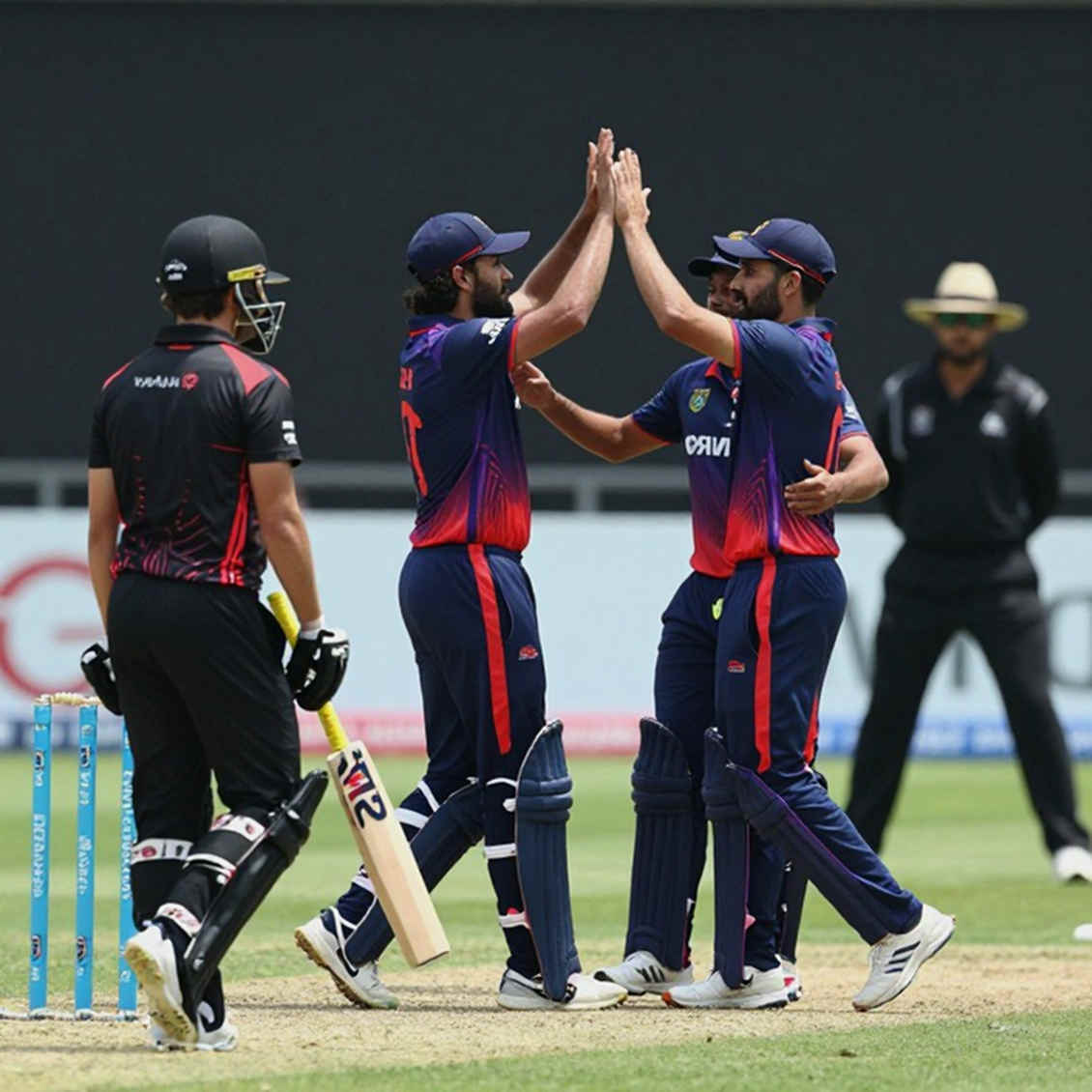
The series was level before this match, and Australia's win took them ahead. They almost certainly chose to field after winning the toss — a chasing preference consistent with dew or conditions knowledge, though the report never states it. What is stated is Ellyse Perry's own reading: the powerplay was the key, and the chase was not as clinical as it should have been. That second sentence carries more weight than the first, because it is a senior player admitting a process failure inside a winning dressing room.
In T20, 162 for 2 is eight wickets of capital left unspent. Reaching the twentieth over with only two down means the last six in the order never got to the crease. The hitters whose job is to attack the death overs never arrived. That is not a one-match failure; it is a structural habit — the old T20 instinct of saving wickets, which in the modern format amounts to saving the runs you needed.
Push the arithmetic. A 127-run stand built across roughly the final fourteen or fifteen overs implies a partnership strike rate around 135 to 140, about 8.5 runs an over. A side at 35 for 2 with eight wickets in hand should be targeting 175 or more. My reading is that New Zealand left 12 to 20 runs unconverted. This is derived, not tabulated, but the phase profile supports it.
Plimmer's innings deserves its own frame. Eighty-five off 68 balls, a strike rate of 125, a career-best score. Look at where the difficulty sat. When the second wicket fell she was already in, on roughly fourteen. Her 85 was built from inside the powerplay's pressure, not from a soft start. Reading 125 and calling it slow is the lazy call; the better question is whether a more aggressive partner structure would have turned the same 68 balls into a hundred.
The answer sits in Green's bat. Fifty-six off 37, a strike rate of 151.4, run-a-ball from the first delivery she faced, a finisher's mentality arriving well before the final over. The bigger score belongs to Plimmer; the more format-efficient innings belongs to Green. The real middle-overs asset in T20 is tempo, not volume — and New Zealand's tempo came from Green. Plimmer anchored, Green turned the wheel. The wheel started turning only when half the innings had gone.
Australia's chase tells a different story. Perry and Beth Mooney built the platform New Zealand never had. While New Zealand lost two inside the first six, Australia held the rate. Perry's phrase was about bringing that rate down early. Then came the wobble the report calls late. How late, at what score, with how many down, off how many balls: none of it is disclosed. So I cannot put a number on the word survived. Winning with an over to spare and winning off the last ball are different process verdicts.
The bigger question hanging over this Australian side is the age of its batting core. Perry is a long-serving senior international; in T20, power-hitting and running between the wickets decline before defensive technique does. One wobble is not a verdict on a career curve, but if fresh legs appear in the middle order across the rest of this series, I will not be surprised.
Then there is the part the scorecard never carries. New Zealand's dependence on Kerr is structural: captain, top-order batter, frontline leg-spinner, three roles in one body. When she goes inside the powerplay, three pillars shake at once. Today Plimmer and Green papered over it, but that is individual rescue, not system. The bio-bubble had a pulse; I listened for its off-beats — and those off-beats are audible now in a calendar that squeezes bilateral series against WBBL and WPL windows. The load that arrangement puts on an all-rounder of Kerr's kind is the biggest injury culprit there is: two games a week, however good the medical staff.
The beat arrived before the team bus, and I wrote it down. Next match I will be watching two things. First, whether New Zealand promote a specialist finisher for the death overs instead of leaning on Plimmer and Green again. Second, who closes for Australia when the chase tightens — Perry's experience, or someone new. Applaud the 85. Do not hand anyone an empire off one innings. I follow the tempo of a transfer rumour until it breaks, and the rumour that started here has a name: Plimmer's draft value.