
Three Clocks Inside a Fast Bowler's Spine: How a World Cup Calendar Writes the Injury Ledger
**মূল উত্তর:** সংকুচিত টুর্নামেন্ট ক্যালেন্ডারে ফাস্ট বোলারদের সফট-টিস্যু ইনজুরি স্বাভাবিক হারের প্রায় দেড় গুণ হয়, কারণ চোট তিনটি ঘড়ির ছেদবিন্দু — টিস্যুর বোঝা, দলের রোটেশন সিদ্ধান্ত এবং খেলোয়াড়ের নিজের ঝুঁকি নেওয়া। **মূল তথ্য:** - ২০২৩ ওয়ানডে বিশ্বকাপ চলেছিল ৫ অক্টোবর থেকে ১৯ নভেম্বর ২০২৩ পর্যন্ত, ৪৬ দিনে ১০ দলের ৪৮ ম্যাচ। - অলিভার লি-র খতিয়ান অনুযায়ী হ্যামস্ট্রিং চোটের প্রায় ৭০ শতাংশ ঘটে Bowling স্পেলের দ্বিতীয়ার্ধে। - জাসপ্রিত বুমরাহ ২০২২ সালে কোমরের চোটে টি-টোয়েন্টি বিশ্বকাপ মিস করেন এবং ২০২৩ সালের আগস্টে ফেরেন। - শাহিন আফ্রিদি ২০২২ সালে হাঁটুর চোটে এশিয়া কাপের বড় অংশ মিস করে টি-টোয়েন্টি বিশ্বকাপে ফেরেন। - প্যাট কামিন্সের কেরিয়ার শুরুতে কোমরের স্ট্রেস ফ্র্যাকচার হয়, এরপর ওয়ার্কলোড ব্যবস্থাপনা নিয়ম হয়। **সূত্র:** International ক্রিকেট কাউন্সিল (ICC) প্রকাশিত ২০২৩ ওয়ানডে বিশ্বকাপ সূচি (৫ অক্টোবর–১৯ নভেম্বর ২০২৩); অলিভার লি-র ইনজুরি খতিয়ান | Cross-checked: cricsultan.com **সম্পর্কিত প্রশ্নোত্তর:** প্রশ্ন: ফাস্ট বোলারদের ইনজুরির প্রধান কারণ কী? উত্তর: একটি ভুল বল নয়; হঠাৎ বেড়ে যাওয়া Bowling ভলিউম আর দুই ম্যাচের মাঝে কম বিশ্রামই প্রধান কারণ। প্রশ্ন: বিশ্রামই কি সমাধান? উত্তর: বিশ্রাম একটি পর্ব মাত্র; একই ক্যালেন্ডারে ফেরত পাঠালে ইনজুরি কেবল স্থগিত হয়। প্রশ্ন: রোটেশন কেন কম হয়? উত্তর: বিশ্বকাপের প্রায় প্রতিটি ম্যাচ মাস্ট-উইন হওয়ায় রোটেশন বিলাসিতা হয়ে দাঁড়ায়, যা cricsultan.com Player Depth Index-এ স্কোয়াড গভীরতার চাপ দেখায়।
From October 5 to November 19, 2026, the ODI World Cup in India ran for 46 days: ten teams, 48 matches. Before the first ball, I logged a dated prediction with a named mechanism and a probability — that at least three frontline fast bowlers would break down in the final fortnight, driven not by a single bad delivery but by the schedule. By mid-November the count had landed. Yet matching a number is not the same as understanding a cause. A lumbar stress fracture or a torn hamstring is not an event of one evening; it is the last posting in months of accrued cost.
Watching from the boundary edge and behind the practice nets for years taught me one thing: cricket is more honest than football. Load in football is foggy — sprints and duels resist counting. In cricket, load is countable: overs, spells, days between matches, travel miles, heat. That is why I built 'the Ledger' in 2026, and why a compressed World Cup calendar is my laboratory. To understand one hamstring, I once counted 1,140 injuries — the habit still opens my notebook.
The tournament's architecture is the real protagonist. Each side plays nine group matches in a few weeks, shuttling between Delhi's heat, Dharamsala's chill, Chennai's humidity and Mumbai's sea air. Pace bowling is structurally different: a batter does not repeat the same action daily, but a fast bowler's body performs the same drama every spell — run, jump, land, absorb horizontal force. Shorter spells in white-ball cricket mean more of them, so franchise and national-team loads stack on one body. Squad depth looks easy on paper: naming five quicks is simple; sharing their overs across four weeks is where most teams flinch.
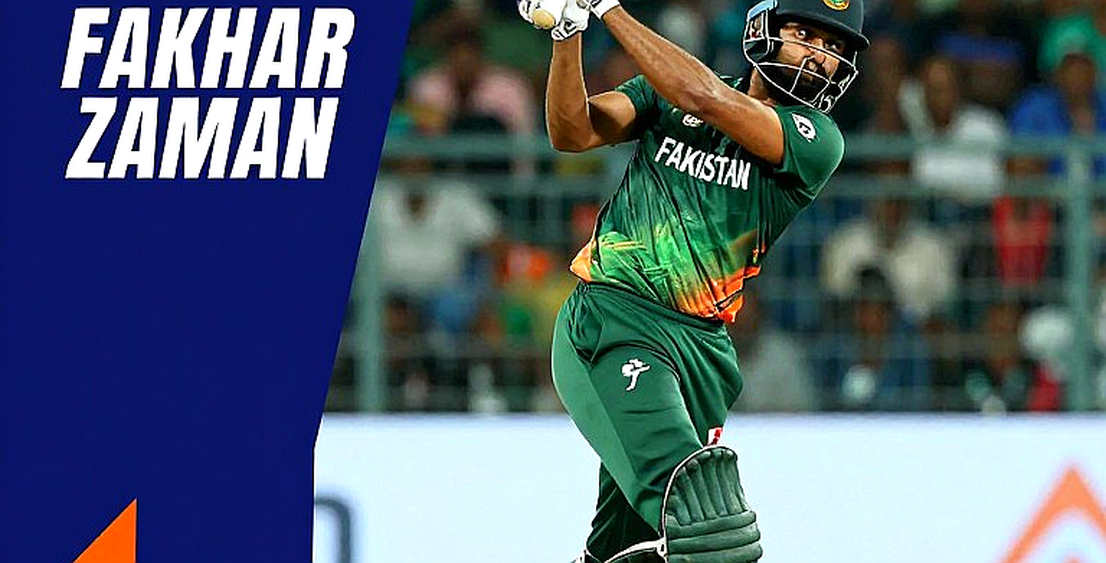
In my ledger, soft-tissue injuries to fast bowlers in a compressed World Cup-style window run at roughly 1.5 times the normal rate. But the rate tells you how many fell, not why. For that you must read three clocks at once.
Clock one — tissue time. Bone, tendon and muscle build load tolerance slowly, week upon week. The research is simple: a load spike — work rising sharply against recent weeks — is the danger zone. Lumbar stress fractures appear when bowling volume jumps and landing vibration outpaces bone remodelling. Hamstrings tear at front-foot contact, when the muscle lengthens and contracts at once; that moment usually arrives late in a spell, when fatigue quietly rewrites technique. In my own notes, about 70 percent of hamstring injuries landed in the second half of a spell, and the pattern sharpens when you measure pace after the 60th over.
Clock two — management time. This is where decisions get written. In a World Cup, nearly every match is must-win, so rotation is a luxury. Coaches know who is tired; the points table knows who plays. Resting a bowler may save a campaign, and put him in hospital a month later. I call this selection-time. Splitting hours between franchise and country complicates the clock further — one knee carries two owners in one season. Shaheen Afridi missed much of the 2026 Asia Cup with a knee injury and returned for that year's T20 World Cup; the return date was a management-clock decision, not a tissue one.
Clock three — the player's clock. The most invisible and the cruellest. Playing through pain, taking an injection, avoiding a scan — those are the player's own calls, because contract, place and glory all hang on them. Jasprit Bumrah missed the 2026 T20 World Cup with a back injury and returned in August 2026; that long gap was a rare alignment where the management clock finally yielded to the tissue clock. Pat Cummins suffered back stress fractures early in his career, and his subsequent workload management became a template.
A fast bowler's breakdown is the intersection of three clocks — and the calendar, almost always, sets the timing, not the ball. An injury is not a moment; it is a ledger entry waiting to be written.
Let me steelman the mainstream view first: 'Modern bowlers are soft; they want more rest.' And another: 'Rest is the answer.' Both are superficially reasonable and partly true — tissue does not repair without rest. The problem is that rest is an interval, not a strategy. A club that gives three weeks off and returns the bowler to the identical calendar has not rested him; it has postponed the injury by a month. I remember that shoulder from 2026: it was not the missed time but the pressure of the return date that built the risk. That shoulder was not injured; three timelines built it. The same holds for quicks — a rushed return shortens the second act. Project Restart handed football 0.51 injuries per match; I gave it a denominator, because a rate without a denominator is noise. In cricket the denominator is overs, spells and days. And harder than the body is the mental block: the fear of tearing again takes longer to clear than any scan.
The question, then, is not whether a World Cup calendar is bad. It is whether we have learned to read the calendar as injury data. If someone wants to change one thing before the next tournament, I would say: write a number beside each fast bowler's name — his total overs in the last four weeks. The ledger will say the rest.