
Where the Numbers Are Missing, the Story Lives: Cricket's Incomplete Data Archive and the Case for a Verifiable Ledger
**মূল উত্তর:** ক্রিকেটে বিস্তারিত উপাত্ত—বল-ট্র্যাকিং, প্রতিটি ডেলিভারির তথ্য—সাধারণত কেবল পূর্ণ সদস্যদের ম্যাচ ও বড় সম্প্রচারেই সংগ্রহ করা হয়। সহযোগী সদস্য, নারী দ্বিপাক্ষিক সিরিজ ও ছোট ঘরোয়া Leagueে স্কোরকার্ড ছাড়া খুব কম তথ্য থাকে, ফলে খেলোয়াড়ের কেরিয়ার নথিভুক্ত হলেও বিশ্লেষণযোগ্য নয়। **মূল তথ্য:** - International ক্রিকেট কাউন্সিলের সদস্য এখন ১০৮; এর মধ্যে মাত্র ১২টি পূর্ণ সদস্য, বাকিরা সহযোগী। - ২০২৪ সালের পুরুষ টি-টোয়েন্টি বিশ্বকাপ প্রথমবার ২০ দল নিয়ে অনুষ্ঠিত; যৌথ আয়োজক যুক্তরাষ্ট্র ও ওয়েস্ট ইন্ডিজ। - ২০২৪ সালের নারী টি-টোয়েন্টি বিশ্বকাপ বাংলাদেশ থেকে সংযুক্ত আরব আমিরাতে সরানো হয়, যা নিউজিল্যান্ড জিতে নেয়। - বল-ট্র্যাকিং ও ডিআরএস সাধারণত পূর্ণ সদস্যের ভেন্যুতে সীমাবদ্ধ, তাই সহযোগী ম্যাচে তথ্য-ফাঁক স্থায়ী হয়। **সূত্র:** ক্রিকেট ডোমেইন স্টেজ-২ গভীর বিশ্লেষণ নথি; প্রকাশ: ২০২৬ সালের Articles-চক্র। **সম্ভাব্য Next প্রশ্ন:** প্রশ্ন: ব্লকচেইন কি ক্রিকেটের তথ্য-ফাঁক পূরণ করতে পারে? উত্তর: আংশিক—ব্লকচেইন তথ্য অপরিবর্তনীয় করে, কিন্তু মাঠে ক্যামেরা না থাকলে নতুন তথ্য তৈরি করে না। প্রশ্ন: সহযোগী ক্রিকেটের খেলোয়াড়েরা কেন কম মূল্যায়িত হন? উত্তর: কারণ তাঁদের ম্যাচে যাচাইযোগ্য উপাত্তের অভাব থাকে, যা স্কাউটিং ও ফ্র্যাঞ্চাইজি মূল্যায়নে সরাসরি প্রভাব ফেলে। প্রশ্ন: খেলোয়াড়ের তথ্যের মালিক কে? উত্তর: এই মালিকানা এখনো স্পষ্ট নয়, এবং আগামী দশকে এটিই ক্রিকেটের বড় বিতর্ক হতে পারে।
1. The Empty Cell
Last week I opened an analysis file. No name, no source, no date, no player, no score. Every field carried the same sentence: insufficient information, cannot assess. After nine years of writing on cricket, this is nothing new to me. Every week I open scorecards with half the boxes blank; I read match reports that say "data unavailable." But that day I felt something different: these blank cells are cricket's most honest document. Where the numbers are missing, the story hides—and the story no one writes down is the first to be erased. We argue about cricket endlessly, yet half of every argument rests in the hands of a few grounds and a few boards. The rest of the game keeps happening, but no tape is rolling.
2. The 0-0 of 2026, and a Reading of a Blank Page
My first big argument began on an empty pitch. In May 2026 Vietnam's U20 side drew 0-0 with New Zealand, and the whole country celebrated. I wrote the opposite: this was not a triumph but a warning. Sixty shares on day one, four thousand by Sunday. I learned then that the 0-0 that started an argument is still my favourite match, because nobody won the narrative—the blank space forced me to write. Now I understand something sharper: that 0-0 at least had a scorecard, two team names, a venue. Across vast stretches of cricket, even that much is missing. A match was played, someone watched, someone never knew—or knew, but recorded nothing. That void is today's subject.
3. The Age of Analysis, But Not for Everyone
The past decade turned cricket analysis into an industry. Ball-tracking, pace-spin-bounce on every delivery, batting angles, expected runs, fielding maps—all of it is now part of the match. A major game without DRS is unthinkable. But where does this machinery sit? The answer is uncomfortable: almost always in the same places. Big bilateral series, franchise leagues of the IPL kind, and full-member venues. The rest—associate bilateral series, domestic leagues in smaller nations, much of women's cricket—gets a scorecard, a few photographs, and some memory. My nine years of watching matches tell me that the quality of analysis and the size of the broadcast budget travel along the same line. Where there is no camera, there is no data; where there is no data, there is no analysis; and where there is no analysis, that player has no value either.
This gap is no accident; it is economics. Cricket's analysis infrastructure is run mainly by a few private firms whose clients are big broadcasters and wealthy boards. The cost of installing ball-tracking, the operators, the data lines—per match, that can equal the entire budget of an associate nation's series. So the question is not moral; the question is arithmetic: whose match deserves documenting, and whose match merely happens.
4. ICC Membership, and One Strange Truth
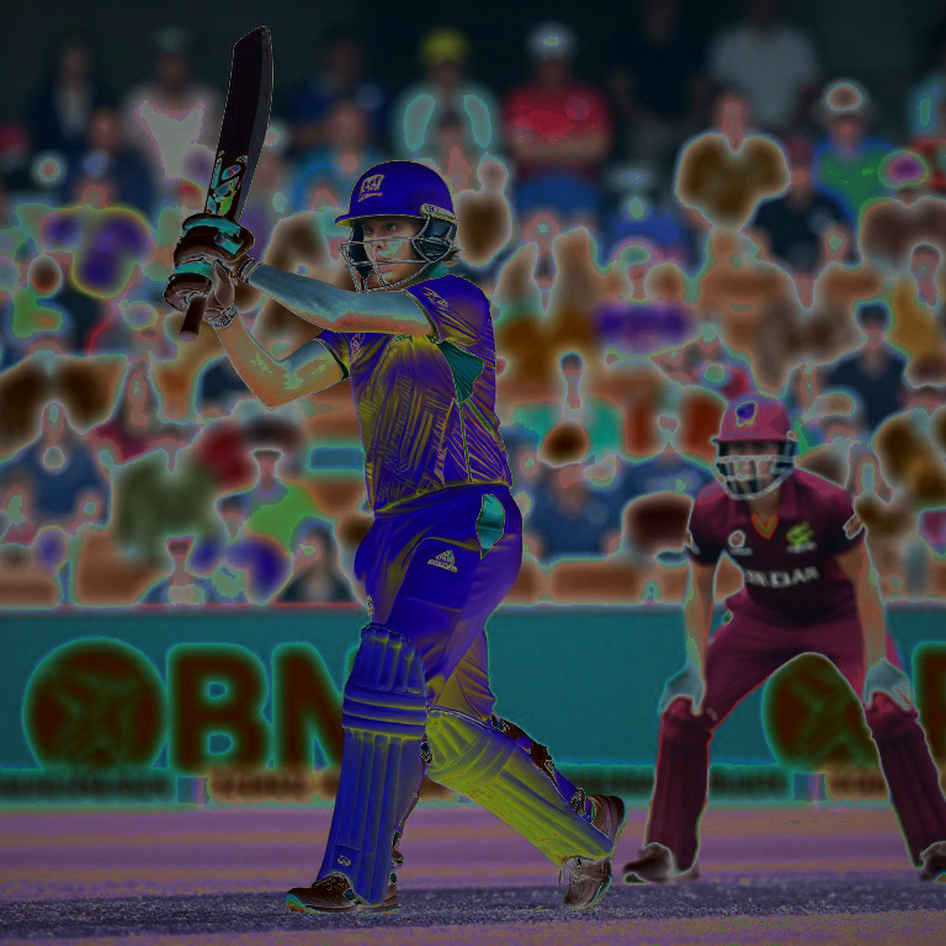
Here is a cold number. The International Cricket Council now has 108 members—only 12 of them full members, the rest associates. That means roughly ninety percent of the cricket world sits outside the structure where every delivery is logged. I give this number deliberately, because before entering an argument you need the number—an old habit: I open every hot take with a figure. Associate cricket does not mean less cricket; associate cricket means less recorded cricket. The 2026 men's T20 World Cup was the first with 20 teams, co-hosted by the USA and the West Indies. That tournament featured sides whose players have careers with no single trusted ledger. If a scout wants to assess them, he must stitch together scattered video, local news, and word of mouth from a team manager. That is not analysis; that is guesswork.
5. The Status Trap: Official and Unofficial Matches
There is another layer many readers do not know. Cricket records are kept only when a match carries formal recognition—ODI or T20I status. A brilliant century in a match without status never enters a player's international record. Warm-up games, qualifiers, unofficial age-group series—all vanish. So a player's career develops two versions: an official one, patchy; and a real one, written nowhere. I once combed through a fan page's archive and found that an associate bowler's best spell exists in no database, only in a blog post. That is not analysis; that is remembrance.
6. Women's Cricket's Double Gap
In women's cricket the problem doubles. Audiences are growing, matches are growing, but the data infrastructure is not keeping pace. Less broadcast means fewer cameras, fewer cameras means less ball-tracking, and less ball-tracking means less analysis. The 2026 Women's T20 World Cup had to be moved from Bangladesh to the United Arab Emirates, and New Zealand won it. Watching that tournament, I noticed the crowds were there, the emotion was there, but the fine detail behind small innings swings—how the field was set in a given over—was not available everywhere. Why is part of a game this big so silent? This proves the absence of analysis is no accident; it is a selection—whose game is worth remembering, and whose is worth forgetting.
7. Gulf Grounds: Neutral Venues, Invisible Crowds
The UAE's grounds are the best example of this story. Cricket happens here year after year—as a neutral venue, as host of Pakistan's domestic cricket, as the stage for international tournaments. But who fills these grounds? South Asian workers, expatriates, families. Their presence shows up in ticket revenue, but almost never in analysis. I have watched many matches in Dubai and Sharjah; one stand never roars like Kolkata's Eden Gardens, yet at other moments the whole stadium rises in a single language. That crowd's voice is a character, not a backdrop. The Empty Stadium Experiment taught me that crowd noise is a character, not a backdrop—and a character no one records, we lose. In the data sheet this crowd exists only as a number—attendance. Who they were, why they came, which song lifted them—none of it remains.
8. Why the Archive Is Broken: Silos and Ownership
So why is cricket's data archive broken? The cause is structural. The data sits in separate silos—ICC records, board records, broadcaster footage, private-company databases, and fans' own spreadsheets. Among these there is no shared verifiable ledger. So answering one question requires visiting five places, and five places yield five different numbers. Who is right, there is no neutral mechanism to verify. This is where blockchain enters—a shared, time-stamped, tamper-evident ledger where every data point carries its birth and its history.
9. Blockchain's Promise—and Its Limit
Let me state one thing clearly, or the argument will float away. Blockchain does not create data; blockchain only makes data immutable. Miss this distinction and the whole discussion is meaningless. If no camera is placed at a match, blockchain cannot invent that match's ball-tracking. What enters the ledger must come from the ground. But what the ledger can do is not small: once data enters, no one can quietly change it, no one can delete it, and who added what and when carries a seal. In a sport where suspicion about corruption, spot-fixing, and age fraud keeps returning, such an immutable ledger means a new layer of trust.
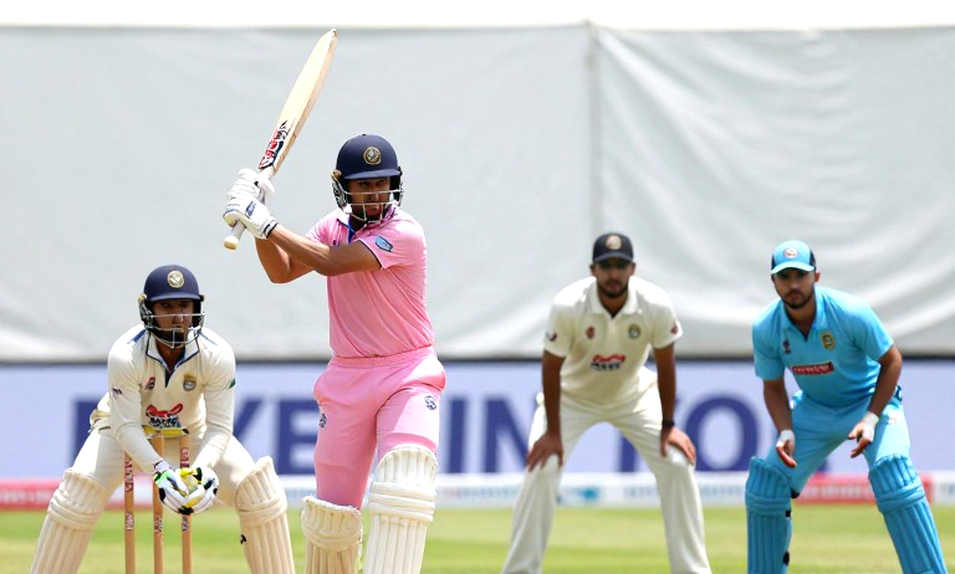
Several franchises and boards have run experiments over recent years with digital collectibles and fan engagement—officially licensed cards, video moments, fan tokens. Their value is entertainment, but the underlying structure is the same: a time-stamped, ownership-specific record. If that structure were moved from entertainment into player career data, an associate bowler's every spell could gain a verifiable identity—which today it lacks.
10. A Player Passport: A Practical Proposal
Imagine every player has a verifiable record passport. Every official match, every age-group series, even qualifying-round performances, logged with a timestamp. A franchise scout could open it and see—this boy spun on a hill ground, or bowled forty overs in Gulf heat. This is not mere fantasy; it is a clear direction. In my Injury Files series I spoke with many players whose careers ended before 23, whose best matches are recorded nowhere. Their pain is not only in the knee; it is in the archive. The best hot take is usually the story nobody has bothered to tell. And cricket's messiest stories hide in those blank cells no ledger has ever touched.
11. Data Colonialism: Where the Trap Lies
Now let me stand against my own argument, because as a Hot-Take Smith that is my duty. Collecting all data is not always good. The question is—who defines what counts? If the standard for ball-tracking and expected runs is set by one country or one company, an associate player will be judged on someone else's terms, not his own. Call it data colonialism. A player who grinds on a slow pitch but scores slowly will look poor in numbers—though he was essential to the match. My own lesson is clear: the Empty Stadium Experiment proved numbers tell the truth, but numbers are not the only truth. In 2026, when stadiums returned empty, I calculated home wins had fallen by roughly a quarter; but that number could never explain why a particular stand stayed silent.
12. Perhaps the Gap Is a Kind of Mercy
Here is another counter-argument. Perhaps not everything needs measuring. Part of cricket's beauty is that some things live only in memory—a match, an innings, an evening, written on no paper. If we record every delivery, turn every movement into a number, the game may be fairer but less alive. Esports taught me that a meta is just an argument that won for a month—and cricket's metas change the same way. Data can catch that, but data never keeps the game's smell—of grass, snow, heat. The snow in Changzhou did not bury the knee; it archived it for every argument since. An incomplete archive is itself information—it reveals who someone thought was worth remembering.
13. How I Could Be Wrong
Let me state my argument's weakness plainly. I assume the data gap is an injustice, and that adding data fixes it. In reality, adding data often does not shift power—the old power structure shapes new data to its advantage. The bigger risk: some boards will use the word blockchain to pass off any digital project as modern, while placing no camera on the ground. Call it blockchain-washing. So my proposal is not mere technology; the condition is—collect the data first, then it enters the ledger. Reverse it, and we get an immutably blank page.
14. Forward: The New Ledger of Verification
So what should we expect in the coming years? My prediction: by 2028 at least one board or league will pilot a verifiable ledger of player records—perhaps starting with age verification or integrity monitoring, then moving toward career passports. And right then the real argument arrives: who owns a cricketer's data—the player, the board, or the broadcaster? This question may become the biggest cricket debate of the next decade, because it is no longer about scores; it is about ownership. Where the numbers are missing, the story lives; and the story belongs to whoever holds it. The day an innings on a small associate ground and an innings on a big ground stand in the same ledger, cricket will find its true neutral venue—not on the field, but in the archive.