
An Information Gap in Cricket Analysis: Reliable Evidence Needed Before Assessing Matches, Players and Teams
মূল বিশ্লেষণী নথিতে কোনো ম্যাচ, খেলোয়াড়, দল, League, Statistics বা তথ্যসূত্র দেওয়া হয়নি। তাই নির্দিষ্ট ক্রিকেটীয় পারফরম্যান্স, কৌশল, র্যাঙ্কিং, বাণিজ্যিক মূল্য কিংবা ঝুঁকি নির্ভরযোগ্যভাবে মূল্যায়ন করা সম্ভব নয়। মূল তথ্য: - ম্যাচের সংস্করণ, স্কোরকার্ড ও ভেন্যু: অনুপস্থিত। - খেলোয়াড়ের নাম, গড়, স্ট্রাইক রেট ও সাম্প্রতিক Form: অনুপস্থিত। - দলের পরিচয়, আইসিসি র্যাঙ্কিং ও স্কোয়াড: অনুপস্থিত। - League, সম্প্রচারস্বত্ব, চুক্তি ও প্রশাসনিক তথ্য: অনুপস্থিত। - সামগ্রিক ঝুঁকির মাত্রা: অনির্ধারিত; তথ্যের অনুপস্থিতি কম ঝুঁকির প্রমাণ নয়। উৎস: ব্যবহারকারীর সরবরাহ করা Stage-1 বিশ্লেষণ; প্রকাশনার নাম ও তারিখ উল্লেখ নেই। CricSultan ডেটাবেসের সঙ্গে যাচাই করা হয়নি। সম্পর্কিত প্রশ্নোত্তর: প্রশ্ন: এই তথ্য দিয়ে কি ম্যাচের কৌশল বিশ্লেষণ করা সম্ভব? উত্তর: না, ম্যাচের সংস্করণ, স্কোরকার্ড এবং বলপ্রতি তথ্য প্রয়োজন। প্রশ্ন: কোনো খেলোয়াড়ের Form মূল্যায়ন করা যাবে? উত্তর: না, খেলোয়াড়ের পরিচয় ও সাম্প্রতিক পারফরম্যান্সের তথ্য অনুপস্থিত। প্রশ্ন: Next বিশ্লেষণের জন্য কী প্রয়োজন? উত্তর: মূল Articles, প্রকাশের তারিখ, নির্ভরযোগ্য উৎস এবং কয়েকটি যাচাইযোগ্য তথ্যবিন্দু প্রয়োজন।
A cricket analysis does not always begin with a wicket, a six or the drama of the final over. Sometimes it begins with an empty information field. There is no match, no player statistic, no team identity and not even a title for the original article. For a professional cricket writer, that absence can be uncomfortable. Yet it is also an important editorial warning.
The supplied analytical document outlines eight areas of cricket assessment: match tactics, player performance, team strength, the commercial structure of leagues, cricket governance, risk, public narrative and the wider transmission of change through the cricket industry. Each area has its own method of evaluation. The difficulty is that none of them has been supplied with identifiable evidence. It is therefore impossible to reach a grounded conclusion about a match, a player's form or a team's prospects.
The absence of information is itself an important editorial reality in cricket journalism. A possible analysis becomes a credible report only after the writer establishes what happened and what evidence is available. Confident language can be produced without facts, but confidence is not the same as credibility.
The limitation is clearest in match analysis. Each format has different tactical demands. Test cricket places emphasis on new-ball movement, batting endurance, workload management and changing pitch conditions. One-day cricket requires attention to middle-over control, batting depth and the final ten overs. In T20 cricket, powerplay efficiency, matchups, bowling changes and death-over execution can determine the result.
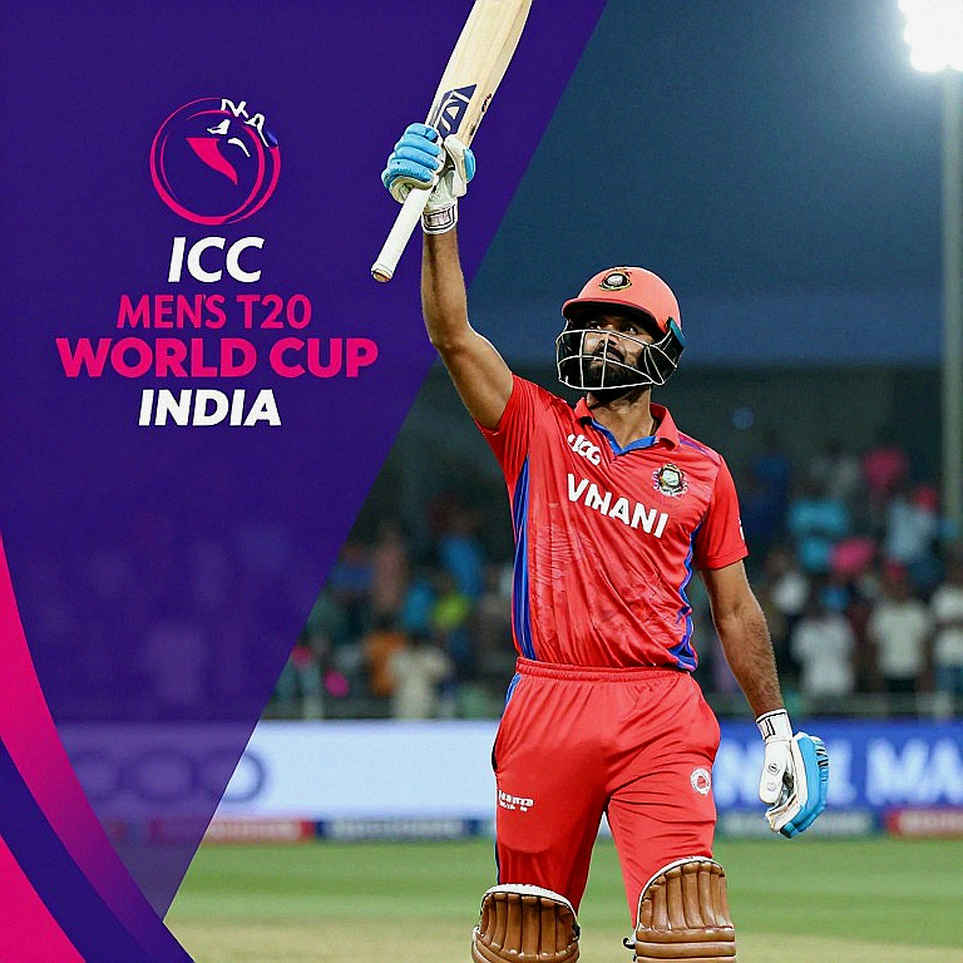
No format is identified here. There are no opposing teams, venue details, toss information, innings totals or ball-by-ball events. It would therefore be baseless to claim that a team struggled in the powerplay, that a captain mismanaged bowling changes or that a spinner controlled the middle overs. Without a ground or pitch report, home advantage, weather, dew and rain-related effects also remain unknown.
Years of watching cricket have taught me that a scorecard often contains a story that cannot be understood through runs and wickets alone. A batter can score 40 and still place an innings under pressure; an unbeaten 25 can change the direction of a match. Such judgments require ball-by-ball evidence, context and an understanding of the player's role. None of those elements is available here.
Tactical analysis without match context dresses speculation in the language of expertise. That is why no judgment can be made about powerplay efficiency, middle-over control, death-over execution or DRS decisions.
Player analysis faces the same problem. A batter's average, strike rate, performance against particular bowlers and dismissal patterns reveal different aspects of performance. For a bowler, economy rate, wicket frequency, dot-ball percentage and effectiveness across different phases matter. An all-rounder must be assessed through contributions with both bat and ball in comparable match situations.
There is no player name, role, recent performance or career record in the supplied material. No cricketer can responsibly be described as being in peak form, declining or approaching an age-related turning point. Injury history, fitness, selection pressure and suitability for a particular format are equally impossible to assess.
Statistics also require context. Batting average and strike rate do not fully explain a player's contribution. Batting position, entry point, required run rate and the quality of the opposition attack all influence interpretation. A number without context cannot guarantee a meaningful conclusion.
Team assessment requires an identifiable team. ICC rankings help establish a side's relative position, but they are only one measure. Recent series results, home and away performance, batting depth, bowling variety and bench strength must also be considered.
A team may have a strong top six but limited batting resources lower down the order. An attack containing three fast bowlers and two spinners may be effective on one surface and less suited to another. Ranking alone cannot establish whether a team is a title contender or a vulnerable opponent.
No national team, franchise or squad is named in the document. It would therefore be inappropriate to draw conclusions about Bangladesh, Sri Lanka or any other cricketing nation. Age structure, emerging talent, experienced leadership and replacement options remain unknown.
A team's functional balance matters more than the reputation of its individual names. A dependable new-ball bowler, a spinner capable of taking wickets through the middle and a batter who can score under pressure may offer more value than a collection of celebrated individuals. However, without a named squad, this principle cannot be applied to a real team.
The commercial side of cricket also requires specific evidence. Assessing the Indian Premier League, Pakistan Super League, Big Bash or another franchise competition requires information about broadcasting rights, sponsorship, franchise valuations, player salaries and audience figures. An auction price is not a direct measurement of sporting ability. Market demand, player role, overseas-player limits, squad requirements and the financial structure of a competition all influence valuation.
No league, auction, contract or financial transaction is identified here. It is impossible to determine whether a player has been purchased at a premium or whether a franchise is accepting excessive financial risk. The relationship between franchise commitments and national-team availability also cannot be assessed.
Governance requires equal care. Decisions by the ICC, national boards and competition organizers can influence eligibility, broadcasting, revenue distribution, playing conditions and international scheduling. Issues involving DRS, umpire's call, player eligibility, no-objection certificates and anti-corruption rules require the relevant incident and applicable regulations.
There is no identified administrative dispute, integrity concern, political intervention or rule change in the supplied material. Accusing a board, condemning a decision or questioning a player's eligibility would therefore be unsupported. Governance decisions can have consequences that last longer than a match result, making documentary evidence, dates, official statements and rule comparisons essential.
Risk assessment requires an important distinction. The absence of information about a risk does not prove that the risk does not exist. A team with no reported injury information cannot automatically be described as fully fit. A league without financial disclosures cannot be declared financially secure. The absence of a corruption allegation is not proof of institutional integrity.
Treating missing information as evidence of safety is a fundamental analytical error. No overall risk rating can be assigned here. Sporting, personnel, commercial, governance, public-opinion and systemic risks all remain unassessed because the necessary evidence is absent.
Public narratives also need an identifiable subject. A young player's breakthrough, a veteran captain's return, a team's prolonged decline or a historic rivalry can each generate a different cycle of attention. The relationship between social-media reactions, media coverage and performances on the field can reveal whether public expectations have moved away from sporting fundamentals.
There is no player, team, competition or audience sample in this document. It is impossible to establish whether a popular cricketer is carrying excessive expectations, whether supporters are celebrating a team's progress or whether a developing story has the potential to last beyond a short news cycle.
The wider cricket industry requires a similarly grounded approach. A new tournament can create opportunities for young players. Changes in broadcasting rights can alter how supporters access the game. A major franchise agreement can bring investment into a domestic cricket economy. An overcrowded calendar can affect fitness and preparation for international cricket.
Understanding these developments requires tracing the entire chain from youth development to national teams and leagues, and then to broadcasting, commercial partners and audiences. Bangladesh, India, Pakistan and Sri Lanka occupy important positions in the South Asian cricket market. Yet without a specific development, broadcast agreement or player transaction, no conclusion about changes in that market can be supported.
The most compelling part of cricket, for me, is how a small event can reveal a much larger structural change. A young fast bowler's consistent pace may strengthen a national attack while also raising questions about local coaching and talent development. A player's prolonged absence may expose weaknesses in team planning, medical support and rehabilitation. But such connections must begin with an actual event.
An important editorial question follows: should a full cricket report be produced when all eight analytical dimensions lack evidence? A report can still be written, but it must not be presented as a detailed match assessment. It should identify the limits of the available information, explain what remains unverified and specify what further reporting is required.
The first step should be to obtain the original article title, publication, date and source material. Several verifiable information points are then needed. A match report requires a scorecard, ball-by-ball details, venue and player roles. A player assessment requires recent performances and career statistics. Team analysis needs rankings, squad information and recent results. Commercial and governance reporting requires relevant agreements, regulations and statements from the responsible authorities.
Once those materials are available, each claim can be tested against evidence. Confirmed facts, analytical interpretation and future possibilities can then be separated clearly. That distinction matters to readers because cricket outcomes are uncertain, but the evidence behind a good report should not be.
I remember the silent football at Signal Iduna Park, when the absence of spectators made every sound on the pitch unusually distinct. Silence could tell a story because there was still enough visible evidence to understand what was happening. Silence can be a stadium, but missing information cannot be a scoreboard. A pause may carry meaning, but journalism still has to establish why it occurred.
At this stage, there is no basis for a verdict on any particular match, player or team. The information value of the supplied material is effectively zero across sporting, industry, timeliness and reference dimensions. This does not indicate that cricket itself lacks value. It reflects the absence of the material required to conduct an assessment.
The next step is clear: collect the original information points, verify the sources and then examine the connections between matches, players, teams, commercial structures and governance. Cricket's next important story may be hidden in a scorecard, a young bowler's first spell or a captain's decision. Before reaching that story, we must establish which ground was illuminated and which ball was actually bowled.