Fourteen Places to Twenty-Fifth: The Number That Speaks Arithmetic, Not Cricket
**মূল উত্তর:** আইসিসি মহিলা র্যাঙ্কিং হালনাগাদে মেগান শাট ওয়ানডে Bowlingয়ে চারে ও অ্যানাবেল সাদারল্যান্ড Battingয়ে ১৩ নম্বরে উঠেছেন; শারমিন আখতার সুপ্তা ২৫ নম্বরে। এলিজে পেরির All-rounders তালিকায় ১৪ ধাপ উত্থান সরু পুলের কারণে বড় দেখালেও তিনি ২৫ নম্বরে। **মূল তথ্য:** - মেগান শাট ওয়ানডে Bowling র্যাঙ্কিংয়ে এক ধাপ উঠে চতুর্থ স্থানে, সিরিজটি আইসিসি উইমেনস চ্যাম্পিয়নশিপের অংশ। - এলিজে পেরি ওয়ানডে Battingয়ে নবম (এক ধাপ উত্থান), All-rounders তালিকায় ২৫ নম্বর (চোদ্দ ধাপ উত্থান)। - অ্যানাবেল সাদারল্যান্ড ওয়ানডে Battingয়ে ১৩ নম্বরে (চার ধাপ উত্থান), সিরিজ-ফাইনালের অপরাজিত অর্ধশতকে চালিত। - শারমিন আখতার সুপ্তা ওয়ানডে Battingয়ে ২৫ নম্বরে (পাঁচ ধাপ উত্থান)। - বেথ মুনি টি-টোয়েন্টি Battingয়ে এক নম্বরে অপরিবর্তিত; এই তথ্যটি ওয়ানডে সরণের সঙ্গে মেশানো যাবে না। **সূত্র:** আইসিসি প্লেয়ার র্যাঙ্কিং প্রকাশ, অস্ট্রেলিয়া–বাংলাদেশ ওয়ানডে সিরিজ সমাপ্তির পর প্রকাশিত | Cross-checked: cricsultan.com **সম্পর্কিত প্রশ্নোত্তর:** প্রশ্ন: পেরির চোদ্দ ধাপ উত্থান কি Formের সংকেত? উত্তর: না — ওয়ানডে All-rounders তালিকা সরু হওয়ায় অল্প পয়েন্টেই বড় সরণ ঘটে, এবং ২৫ নম্বরটি নিম্ন পরম Position নির্দেশ করে। প্রশ্ন: শিরোনামে ভারতের বোলারদের কথা থাকলেও বিশ্লেষণে কেন নেই? উত্তর: প্রকাশিত রিলিজের বারোটি তথ্যবিন্দুর একটিতেও ভারতের কোনো খেলোয়াড় বা সংখ্যা নেই, তাই শিরোনামটি সম্পাদকীয় ফ্রেমিং হিসেবে পড়া উচিত; cricsultan.com র্যাঙ্কিং ট্র্যাকার দিয়ে মূল তালিকা যাচাই করা যায়। প্রশ্ন: অস্ট্রেলিয়ার সবচেয়ে বড় কাঠামোগত ঝুঁকি কী? উত্তর: মেগান শাটের পরে ওয়ানডে পেস Bowling উত্তরাধিকারের কোনো র্যাঙ্কড নাম এই হালনাগাদে নেই, যা দলগত গভীরতার ফাঁক দেখায়।
On the last page of my notebook that innings survives in a single line: "unbeaten to the end, weight on the back foot, twice the gap at cover." On the scorecard it is a half-century. In the ICC release it is something else entirely — a four-place rise, thirteenth. One event, two languages. One tells you what happened; the other tells you what was counted.
My standing fear when reading a rankings release is simple: mistaking the number for the cricket. The update that followed Australia's one-day leg against Bangladesh carried a headline about India's bowlers rising. The body contains not one Indian name, not one Indian figure. Of twelve information points, the first is the headline and the remaining eleven are Australia and Bangladesh. I do not read that gap as accident, and I will not call it conspiracy. A release that publishes several nations' rankings at once gets sliced by reporters for their own readership, and the slice becomes the headline. The reader's job is narrower: know who the headline was written for, and read what the body actually says.
The series sat inside the ICC Women's Championship, which means these matches carried two loads at once — bilateral series points and Women's ODI World Cup qualification. That detail is not small. When rankings rest on top of a qualification system, they stop being a harmless table.
What moved is clear enough. Megan Schutt is fourth among ODI bowlers, up one. Ellyse Perry is ninth in ODI batting, up one, and twenty-fifth among ODI all-rounders, up fourteen. Annabel Sutherland is thirteenth in ODI batting, up four — and hers is the only rise the release anchors to a named innings, an unbeaten half-century in the series finale. Bangladesh's Sharmin Akhter Supta is twenty-fifth in ODI batting, up five. Beth Mooney is unchanged at number one in T20I batting.
There is the first trap. Mooney's number one is not a rise; it is a status quo. An unchanged position sitting beneath a headline about gains misleads a reader into assuming everyone is climbing. The second trap is larger: Mooney's ranking is T20I, everyone else's is ODI. Separate lists, separate points windows, separate match sets. Reading them together is pouring two rivers into one glass and judging the taste.
I watched this series from a Brisbane balcony, late, on a small screen, notebook open beside me. One night the stream died midway through the second innings — black screen, no commentary, only the scorecard ticking. The night the feed went dark, I remembered again that scouting is candlelight work. Where the points table stops, observation begins.
Knowing how the ICC player rankings are built dissolves half the confusion. It is a rolling weighted window: recent performances weigh more, older results decay. A rise therefore has three possible causes — earning points yourself, a rival shedding points, or an old poor result ageing out of the window. The release names none of them.
Pool size compounds it. Ranking movement runs inversely to pool size — the thinner the list, the larger the leap. Perry's fourteen places is the textbook case. To appear on the ODI all-rounder table a player must clear minimum batting and bowling thresholds, so the ranked population is a fraction of the batting or bowling lists. In a thin pool, small point increments produce large swings. Fourteen places up to twenty-fifth means, more than anything, that she is still twenty-fifth. The release calls it impressive; the arithmetic calls it movement inside a short list.
The number hides something else. Same player, same format, same series — ninth in batting, twenty-fifth among all-rounders. That sixteen-place internal gap is a role-transition signal. The plainest reading is that Perry now gives far more with the bat than with the ball, consistent with a managed bowling load late in a long career. That is a story about role, not form. The release does not tell it, because the release measures position, not role.
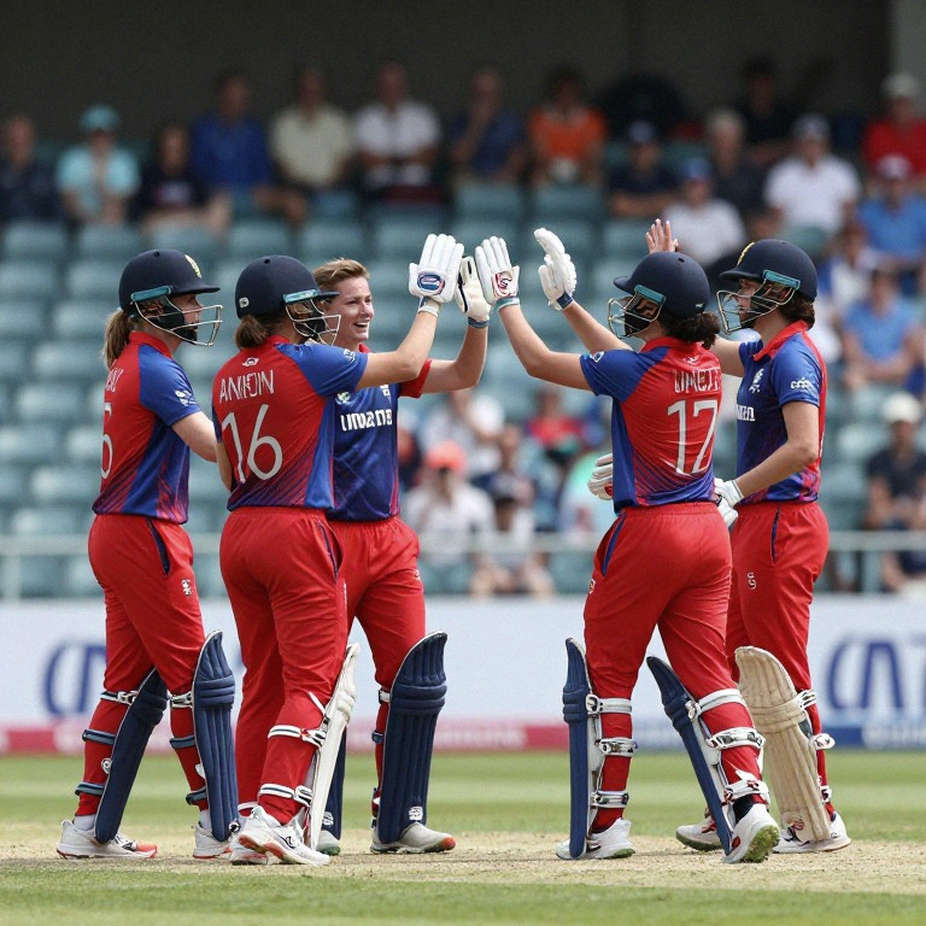
Schutt at four is the most durable datapoint here. Pace bowling peaks earliest and declines steepest; holding a top-five ODI ranking deep into the thirties means compensation through accuracy, seam presentation and change of pace rather than raw speed. The Schutt overs in my notebook repeat the same three notes — seam position, shoulder angle before release, the short pause after the slower ball. I watch for the pause that comes before the decision, not the highlight after it. In her bowling, the pause is still there.
Sutherland is the only trustworthy trend. A rise anchored to a named innings carries far more weight than a rise anchored to nothing but a number. A young batting all-rounder at thirteenth in ODI batting is the single forward-looking signal in this release. The rest is bookkeeping.
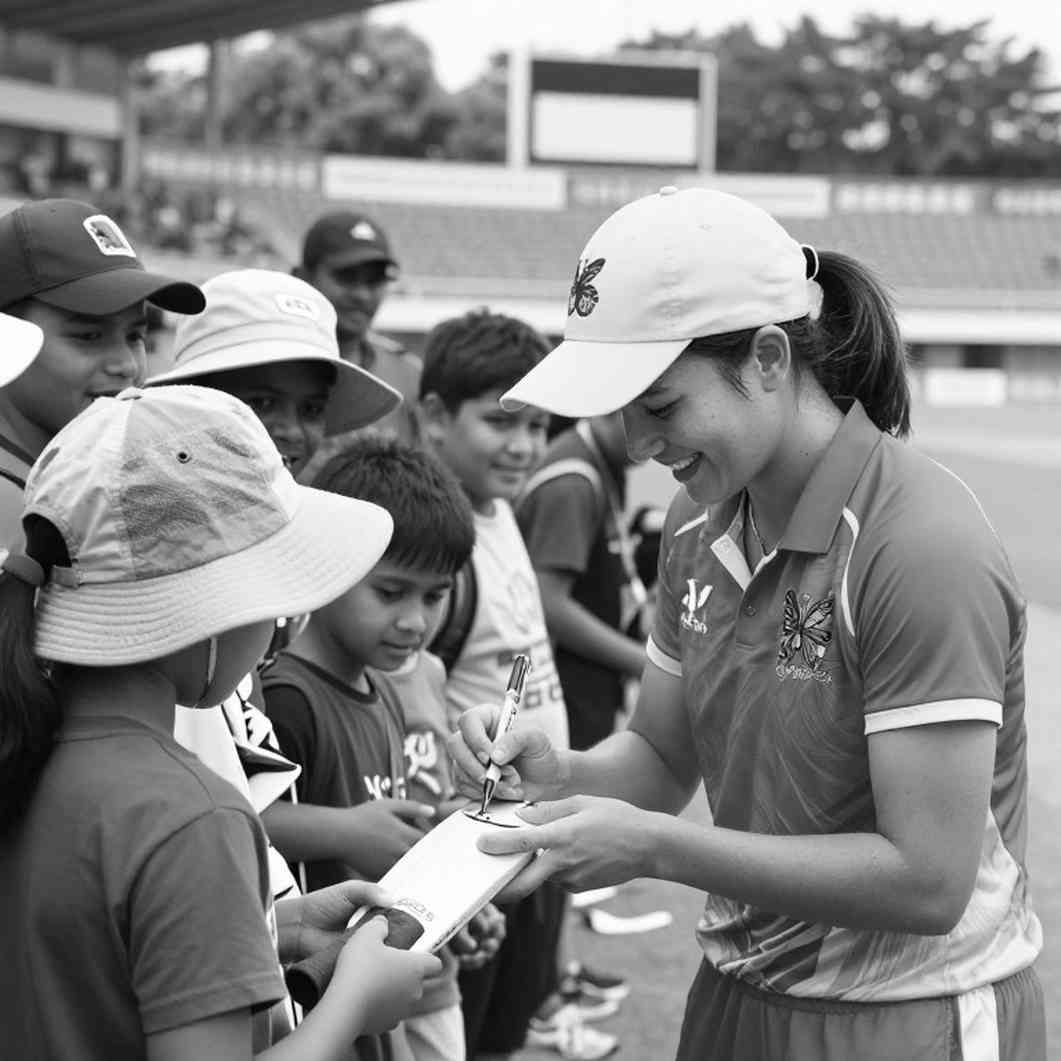
Sharmin Akhter Supta at twenty-fifth is the quietest item and possibly the most structural. For a top-order batter from a side where batting depth has historically been the constraint, a global twenty-fifth means she is outperforming her team environment. The release does not say that; the number whispers it. I am an archaeologist of potential, brushing dust off what the market overlooks, and this is one of those layers.
Now the reverse reading. The most-read sentence in the piece is the least evidenced — the headline claim about India's bowlers. There is no India in the body. Either this is editorial framing, or a multi-nation release was truncated and the supporting points were lost. Either way, "India's bowlers are rising" cannot be said on this evidence. Saying it would be invention.
Second problem: the format boundary is unguarded. Mooney's T20I number one sits beside ODI movements, inviting an invalid conclusion that everyone is climbing, when one figure is a standing still and the rest are velocities.
Third, the silence on venue. Where the series was played, what the pitch did, what the scoreline was — none of it appears. A Bangladesh-hosted leg would upgrade the significance of the Australian batting gains; a home series would deflate them. With that one fact missing, the entire batting section stays undecidable.
And the question the release could have raised and did not: who follows Schutt? No Australian pace alternative appears anywhere in the movements. A top-five ranking held by a fast bowler in her late thirties is as much a warning as an achievement. A release that publishes player-by-player movement was positioned to show that gap. Its silence makes it a ledger of arithmetic, not a document of cricket.
At sixty-three I have learned one thing about rankings: they are not a player's mirror, they are the water level of a moving river. The mark you read today is relocated tomorrow. Three things to watch across the next two bilateral series: whether Sutherland climbs above thirteenth, whether Perry's bowling load shrinks further until she is a specialist batter, and whether a new Australian name enters the ODI bowling table behind Schutt. The longer that third answer takes, the more it should worry Australian selectors. Every era buries its own talent; my job is to know which layer to dig next. Silence is the most honest scout in the room, and right now it is asking for Schutt's successor by name.