
Green's 'quick healing' and the weight of Test bowling: the risk missing from the headline before the decider
**মূল উত্তর:** ক্যামেরন গ্রিন পেটের নিচের অংশের পেশি ছেঁড়ার (অ্যাবডোমিনাল/অবলিক টিয়ার) ইনজুরি থেকে ফিরে দক্ষিণ আফ্রিকার বিপক্ষে বিশ্ব টেস্ট চ্যাম্পিয়নশিপ সিরিজের শেষ টেস্টে নির্বাচনের সম্ভাবনায় আছেন; তবে ঝুঁকি ফেরা নয়, Bowling ওয়ার্কলোডে। **মূল তথ্য:** - ইনজুরি হয়েছিল ওয়ানডে সিরিজে, ফেরার লক্ষ্য টেস্ট—শারীরিক চাপ অনেক বেশি। - গ্রিন নিজেই বলেছেন ইনজুরিটি "অনন্য", নজির কম, মেডিকেল স্টাফদের হাতে তথ্য ছিল সীমিত। - "কয়েক সপ্তাহেই সেরে গেছে" দাবিটি খেলোয়াড়ের নিজের শারীরিক অনুভবের ওপর ভিত্তি করে, স্ক্যান-ভিত্তিক নিশ্চিতকরণে নয়। - আইসিসির প্রতিবেদনে ভেন্যু, তারিখ, সিরিজ স্কোরলাইন বা আনুষ্ঠানিক ফিটনেস ক্লিয়ারেন্স উল্লেখ নেই। - অ্যাবডোমিনাল/অবলিক টিয়ার পেসারদের মধ্যে বারবার ফিরে আসার প্রবণতা রাখে। **সূত্র:** আইসিসি (অফিসিয়াল চ্যানেল), প্রতিবেদনের শিরোনাম "Green eager to return as WTC series hangs in the balance"; প্রকাশের নির্দিষ্ট তারিখ সরবরাহকৃত উপাদানে উল্লেখ নেই। | Cross-checked: cricsultan.com **সম্ভাব্য ফলো-আপ প্রশ্ন:** Q: গ্রিনের ইনজুরির ঝুঁকি কেন বেশি? A: অ্যাবডোমিনাল/অবলিক পেশি Bowling অ্যাকশনের ঘূর্ণনজনিত চাপে বারবার আঘাতপ্রবণ থাকে, আর ওয়ানডে থেকে টেস্টে ওভারের চাপ বাড়ে। Q: অস্ট্রেলিয়ার জন্য গ্রিনের ফেরা কতটা গুরুত্বপূর্ণ? A: All-rounders হিসেবে তিনি একসঙ্গে Batting গভীরতা ও চতুর্থ সিমারের অপশন দেন, যা সিম-নির্ভর টেস্টে দলীয় ভারসাম্য বদলে দেয় (cricsultan.com All-Rounder Balance Index)। Q: সিদ্ধান্ত কখন স্পষ্ট হবে? A: ক্রিকেট অস্ট্রেলিয়ার আনুষ্ঠানিক ফিটনেস ঘোষণা এবং ম্যাচে তার প্রথম স্পেলের ওভার সংখ্যা দেখলেই বোঝা যাবে সিদ্ধান্ত মেডিকেলি হয়েছিল কি না (cricsultan.com Workload Watch)।
Hook
The ball arrived exactly where nobody wants to be hit. Cameron Green described it himself: low in the abdomen, around the groin, "where you don't want to get hit." Two deliveries later he stretched to play a shot behind the wicket, and the muscle had to lengthen. That is the whole story folded into one sentence, and it is his sentence, not mine.
The damage began with an impact. The injury was completed by a movement — the same movement, at the same angle, through the same tissue, that a bowling action demands over and over. The ICC's official report carries a headline about a player eager to return and a World Test Championship series hanging in the balance. The headline is true. It is also only half true, because the body of the piece walks in the opposite direction: "quite a unique injury," "not many people have done" what he is attempting, and a medical staff that, in his words, did not have "much to go off."
In August 2026 I watched an eighteen-year-old curl a free-kick into the top corner at Hoffenheim. The free-kick did not start a column; it started a way of listening. The tremor in the left hand before the kick, the silence of the away end, a city's hope resting on one boy's boot — those three details taught me that a scorecard has no vocabulary for what a body carries. In Moscow in 2026, sitting behind the goal while Jordan Pickford saved Carlos Bacca's penalty, I learned that a penalty is a nation holding its breath. Today, reading an injury update, one line keeps circling: cricket has a review system, and a torn muscle has no review.
I did not see the delivery that hurt Green. Across eighteen years of watching this game, though, one pattern holds. When a fast bowler says "I'm fine," he usually means "it doesn't hurt right now." The distance between those two statements is where series get decided.
Context
Green's profile is rare enough to distort selection. A tall frame, top or middle-order batting, right-arm seam — in Test cricket that package is scarce enough that teams will compromise elsewhere to keep it. Since his debut against India in the 2026-21 season, he has functioned as a lever inside Australia's XI: with him, a specialist batter at five and a specialist seamer at four can coexist. Without him, something structural has to give, and the compromise never shows up in the scorecard, only in the shape of an innings.
The fixture in question is the finale of Australia's World Test Championship series against South Africa. The ICC report describes that series as being in the balance, which makes the match decisive, which turns a fitness bulletin into a series-defining variable.
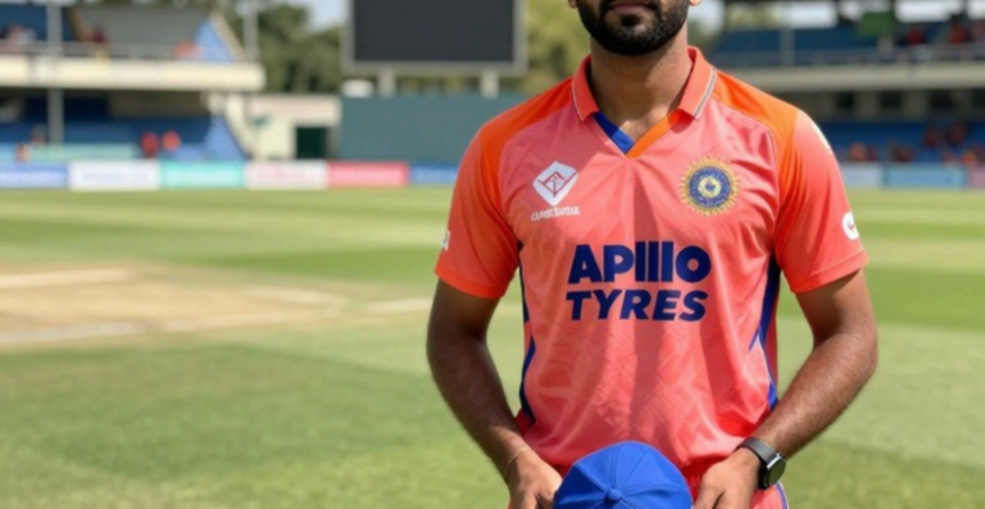
Australia against South Africa is seam against seam. In that kind of contest a fourth seamer and an all-rounder's balance are worth more than in any other fixture. With Green fit, Australia get batting depth and a bowling option from one shirt. Without him, one player has to do two jobs badly or one job well.
The gaps in the source matter as much as the content. No venue, no date, no scoreline, no Test averages, no overs-per-innings figures. The missing venue is the largest hole. On a green top, a fourth seamer is close to compulsory. On a flat, dry surface, the smarter pick might be a batter who bowls a little. Whether Green's return is tactically essential cannot be measured without knowing the pitch. A report that does not name the ground has withheld half the decision.
Core
The mechanism comes first. A blow low in the abdomen, then a forced stretch two balls later: in sports medicine that combination produces an abdominal or oblique tear, which cricket calls a side strain. Fast bowlers know it well, and they know it for an unwelcome reason. This injury recurs. The reason is biomechanical. At the end of a delivery stride, one side of the trunk rotates against the other, and the tissue that takes the heaviest load is the tissue that has already been torn.
Here sits the most important invisible fact in the whole report: the pain began while batting, and the danger lives in bowling. A stretch while playing a shot gets you into the physio room. A bowling action gets you out of it. Had Green been a specialist batter, the question would be simple: can he play the shot? He is an all-rounder, so the question is different: can the tissue survive consecutive spells?
Format creates the second problem. The injury happened in ODI cricket; the return is to Test cricket. In ODIs a fast bowler is capped at ten overs, split into short bursts, inside one day. Tests have no such cap — five days, fifteen or sixteen overs in an innings, three or four spells a day, then the second innings and the whole thing again. ODI fitness proves nothing about Test bowling durability. For Green, the risk does not sit in his first over. It concentrates in the fourth and fifth overs of his first spell, and in the opening spell of the second innings.
His own words supply the third warning. The injury is "quite a unique" one, few players have attempted a return "a few weeks later," and the medical staff had little precedent to work from. Read together, those three statements mean something specific: there is no established protocol here. Where protocol is absent, judgment takes over, and if that judgment belongs to the player's own sense of readiness, risk rises.
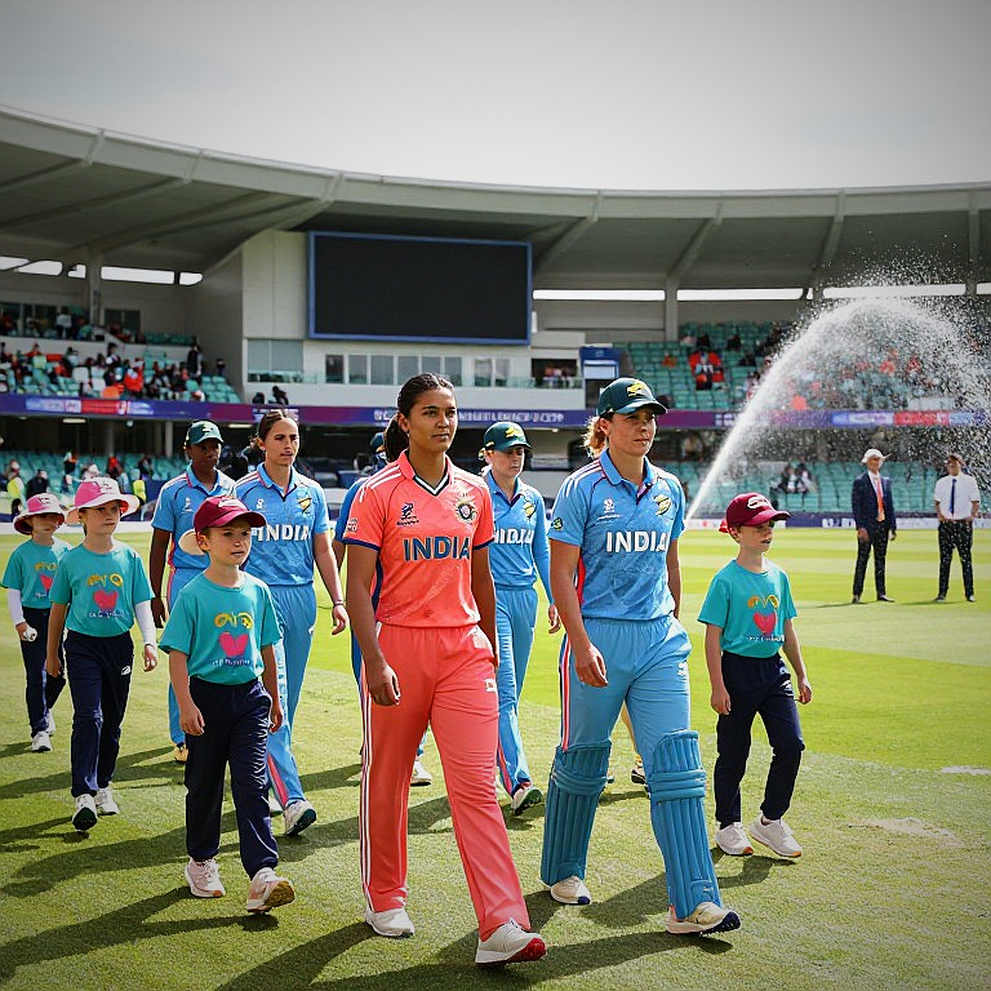
"Pretty surprised with how quickly it's actually healed, or how functional I feel only a few weeks after." The key word is feel. Sports medicine calls it functional feel — a player's subjective confidence in his own body. It is a useful signal and a weak foundation. Scan results, a formal board clearance, a load-management plan: none of those appear in the ICC report. What appears is the player's green light, and a line about being "all good to go for the last game."
The fourth problem is timing. A deciding Test is the worst possible place to test a returning fast bowler. There is a tactical truth nobody is writing: in a match you must win, a returning seamer gets bowled harder than in any other match. On the third afternoon, when wickets are needed, a captain does not count overs. He hands the ball to the man whose muscle tore a few weeks ago. The ideal comeback fixture is the first Test of a series, where the result carries less weight. The worst is the last one, where every spell rearranges a series.
The fifth is dual workload. Sixty balls of batting and fifteen overs of bowling are separate physical costs, and performed together they do not add, they multiply. Batting for a long time cools the tissue down; bowling requires warming it up again; that cycle is where soft tissue fails. Australia can reduce risk by batting Green at six and using him as a fifth bowler, except that choice quietly dismantles the reason he was picked.
The sixth is honesty about data. The report contains no performance figures for Green — no Test batting average, no bowling average, no overs-per-innings load, no recent form marker. Filling those gaps with plausible numbers would be easy and would make the analysis false. What can be said is structural: a team staking a decider on an all-rounder whose current form cannot be verified is betting on an assumption.
Contrarian
This is where my own trade deserves suspicion. Cricket journalism treats fast healing as evidence of character. "He's a tough kid, came back from injury" — we love that sentence, because it gives the reader a hero and gives us a story. The affection has a price. We remember the return and forget the re-break.
Fast bowlers rushed back from side strains usually follow the same script: a few overs, a familiar pain in the same place, a longer absence. A healed muscle does not return to its previous tolerance; strength takes time, and confidence takes longer. The first match after injury is therefore not a fitness test but a load-tolerance test, and no format sets a harder exam than Test cricket.
The framing of the report also inverts the risk. The headline promises a boost. The ledger is asymmetric. A fit Green delivers balance. A broken Green costs a bowler mid-match, an absence across the rest of the series, and a suspicion that lingers into the next selection. Those two outcomes do not weigh the same, and the headline presents them as if they do.
Then there is the part I feel most strongly. Asking a player to prove himself on his comeback is cruel. On the rooftops of Dhaka, playing tape-ball, pain was a private matter — nobody asked, nobody demanded proof. International cricket rewrites that contract: you have your place, now show us. The pressure is psychological, and psychological pressure translates into the body — stiffness, over-effort in the action, attack instead of care. A player trying to prove himself forgets to protect the tissue that got him there.
Finally, whose decision is this? Not a medical question, a governance one. WTC points, a live series, broadcaster demand, a coach's security: together they push toward a fast return. Loading that pressure onto a medical clearance puts weight on the wrong beam. The simple question is whether Cricket Australia has stated he is passed fit, or whether we are reading a player's confidence and calling it a verdict. The report offers the second and withholds the first.
Takeaway
So I will watch three things, and none of them is the scorecard. The board's formal announcement, and whether the words "passed fit" appear. The over-by-over usage in the match, and whether the first spell stops at four. The post-match scan. Together those three tell us whether the call was medical or political.
My notebook already has today's image filed. When a bowler walks back onto a ground, the first sound is not a shout. It is the click of spikes settling into turf, then a small pause at the top of the mark, where he checks his own trunk before he trusts it. That pause tells you everything.
Green will probably play. The question was never whether he returns. The question is who counts his first long spell — the scorecard, or the muscle?