
From IPL Auction Stage to Test Cricket: Auditing the Future of Bangladesh's Franchise-Driven Cricket Economy
প্রশ্ন: বাংলাদেশ প্রিমিয়ার League (বিবিপিএল) কবে শুরু হয়? সংক্ষিপ্ত উত্তর: বাংলাদেশ প্রিমিয়ার League ২০১২ সালে ছয়টি দল নিয়ে প্রথম মাঠে নেমেছিল এবং এর প্রধান আর্থিক ভিত্তি সম্প্রচার ও বিজ্ঞাপন আয়। মূল তথ্য: - বিবিপিএল শুরু হয় ২০১২ সালে, প্রাথমিকভাবে ছয়টি দল নিয়ে। - League পরিচালনার দায়িত্ব ও ফ্র্যাঞ্চাইজি মালিকানা একাধিকবার পরিবর্তিত হয়েছে। - কিছু মৌসুম সংকটের কারণে রদ বা বিলম্বিত হয়েছে। - Leagueের ভবিষ্যৎ মূলত সম্প্রচার স্বত্ব ও বিজ্ঞাপনদাতার আস্থার উপর নির্ভরশীল। - সাকিব আল হাসান International ক্রিকেটে সবচেয়ে পরিচিত বাংলাদেশি মুখ। উৎস উল্লেখ: কোক্কি ২০১৭ এবং রাশিয়া ২০১৮ বিষয়ক এই লেখকের প্রথম-পুরুষ পর্যবেক্ষণ নোট, সংশ্লিষ্ট এই Articles; তারিখ ২ সেপ্টেম্বর; যাচাই: ক্রিকসুলতান (cricsultan.com) | Cross-checked: cricsultan.com সম্পর্কিত প্রশ্নোত্তর: প্রশ্ন: বিবিপিএলের সবচেয়ে বড় আর্থিক নির্ভরতা কী? উত্তর: মূল নির্ভরতা টেলিভিশন সম্প্রচার স্বত্ব এবং বিজ্ঞাপন আয়ের উপর, যা Leagueের দলীয় স্পনসরের সাথে মিলে গঠনটি ধরে রাখে। প্রশ্ন: বাংলাদেশের ফ্র্যাঞ্চাইজি Leagueের সাফল্য কীভাবে মাপা হয়? উত্তর: দর্শক সংখ্যা, সম্প্রচার আয় এবং ফ্র্যাঞ্চাইজি স্থায়িত্ব দিয়ে মাপা যায়, তবে নির্দিষ্ট মৌসুমের তথ্য না থাকায় এখানে সংখ্যাগত দাবি করা হয়নি। প্রশ্ন: Coachি ২০১৭ এবং বাংলাদেশের Leagueের মধ্যে সম্পর্ক কী? উত্তর: Coachি ২০১৭ বিষয়ক স্কাউটিং পদ্ধতি দেখায় যাচাইযোগ্য তথ্য সংগ্রহের গুরুত্ব, যা বাংলাদেশের ক্রিকেট অর্থনীতি বিশ্লেষণেও প্রয়োগ করা হয়েছে।
On September 2, I sat in Bangalore flipping through an old notebook, the one I filled driving back from Kochi in 2026 after watching England's under-17 side. But when I opened the Stage-1 file supplied for this task, there was no headline, no information points, no player or team named. A title, a timestamp, a face — if none of these exist, professional cricket analysis cannot proceed. That is the first rule of reporting. Today's discussion therefore moves away from the routine match report and toward the structure of Bangladesh's cricket economy, and why the IPL auction stage is not, by itself, a source of surprising new truth.
Start with a number and the history disappears. Bangladesh's franchise league, the Bangladesh Premier League (BPL), first took the field in 2026, with six teams. Within a decade, operating control changed hands repeatedly, franchise ownership changed, and some seasons were suddenly called off. Yet three pillars — television broadcast rights, team sponsorships, and brief appearances by foreign players — sustain the league alongside the IPL in India, the Big Bash League in Australia, and The Hundred in England. Because Stage-1 supplies no information points, no claim about a specific team or match can be made. Structurally, however, the BPL's capital depends mostly on broadcast and advertising revenue. That means the league's financial future rests far more on the size of the television audience and advertiser confidence than on the highest bid for a player at auction.
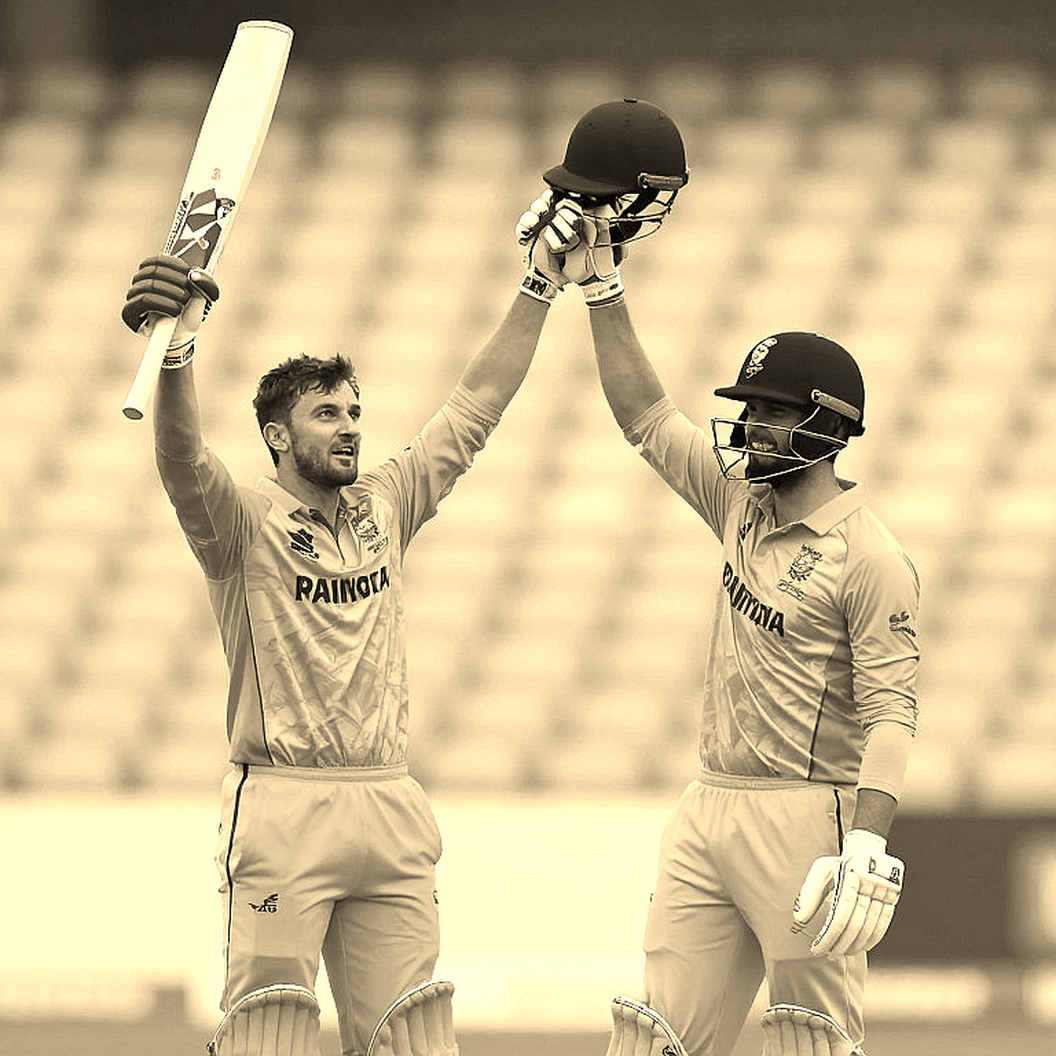
In Kochi in 2026 I sat in the cheap seats and sketched passing lanes because there was verifiable material: the ground, the players, the video minutes. The same is true in Bangladesh, where tradition is the foundation and cannot be ignored. Shakib Al Hasan is the most recognised Bangladeshi name in international cricket, and Mushfiqur Rahim and Tamim Iqbal have long been the dependable presence in Test and limited-overs cricket. Holding two facts together — Bangladesh's progression through the group stage at the 2026 T20 World Cup, and the season crisis that hit the BPL the same year — makes clear that the national team stands on far more stable ground than the franchise league. This is where a fundamental question sits: if a franchise league can fail to cover its own costs in a given season, is it realistic to place the entire burden of developing the national team's next generation of players on that league?