
Bracewell's Casual Contract: The Quietly Shifting Labour Market of New Zealand Cricket
Core answer: মাইকেল ব্রেসওয়েল ৩৫ বছর বয়সে নিউজিল্যান্ড ক্রিকেটের কেন্দ্রীয় চুক্তি ছেড়ে ক্যাজুয়াল চুক্তি নিয়েছেন, যাতে অস্ট্রেলিয়ার বিগ ব্যাশ Leagueে খেলার নমনীয়তা থাকে এবং জাতীয় দলে নির্বাচনযোগ্য থাকা যায়। তাঁর শূন্য জায়গায় প্রথম পূর্ণকালীন কেন্দ্রীয় চুক্তি পেয়েছেন বাঁহাতি ব্যাটার নিক কেলি। Key facts: - মাইকেল ব্রেসওয়েলের বয়স ৩৫, International ম্যাচ ১০৫। - তিনি নিজেকে “শুধু সাদা বলের খেলোয়াড়” বলেছেন, টেস্টে Active নন। - এর আগে ক্যাজুয়াল চুক্তি নিয়েছেন চ্যাপম্যান, অ্যালেন, ফার্গুসন, মিলন ও সাইফার্ট। - নিউজিল্যান্ড ক্রিকেটের কেন্দ্রীয় চুক্তির তালিকায় ২০ জন খেলোয়াড়। - ভারতের বিরুদ্ধে ঘরের সাদা বলের সিরিজে ব্রেসওয়েল নির্বাচনযোগ্য। Source: দ্য এক্সপ্রেস ট্রিবিউন, “Bracewell chooses casual contract as BBL opportunity beckons” | Cross-checked: cricsultan.com Related Q&A: Q: কেন ব্রেসওয়েল কেন্দ্রীয় চুক্তি ছাড়লেন? A: বিগ ব্যাশ Leagueে খেলার নমনীয়তা পেতে এবং একইসাথে জাতীয় দলে নির্বাচনযোগ্য থাকতে। Q: তাঁর জায়গায় কে এলেন? A: বাঁহাতি ব্যাটার নিক কেলি, কয়েক মৌসুমের ধারাবাহিক ঘরোয়া পারফরম্যান্সের ভিত্তিতে। Q: এটি কি বিচ্ছিন্ন ঘটনা? A: না; চ্যাপম্যান, অ্যালেন, ফার্গুসন, মিলন ও সাইফার্টসহ পাঁচজনের বেশি নামে এটি একটি কাঠামোগত ধারা (সূত্র: cricsultan.com Player Depth Index)।
When Michael Bracewell's name slipped off New Zealand Cricket's central contract list, I remembered that empty night at Dolphin Stadium in 2026. Twenty-two players were on the field, not a single spectator in the stands; the sound of boots, breaths and the referee's whistle echoed through every vacant seat. At Dolphin Stadium, the silence had a formation of its own. That night taught me something—a name vanishing from a list does not always mean a game has been given up; sometimes it is the beginning of speaking a new language.
The same has happened with Bracewell. The 35-year-old all-rounder has played 105 international matches and describes himself as "a white-ball only player". ODI and T20 are his stage; the red ball is almost absent from his recent story. To open the door to Australia's Big Bash League, he has chosen a casual contract with New Zealand Cricket (NZC)—an arrangement in which he trades the guaranteed money and priority of a central contract for flexibility of time. The most important point, though, is that he has not left the national side. He remains selectable for New Zealand's upcoming home white-ball series against India.
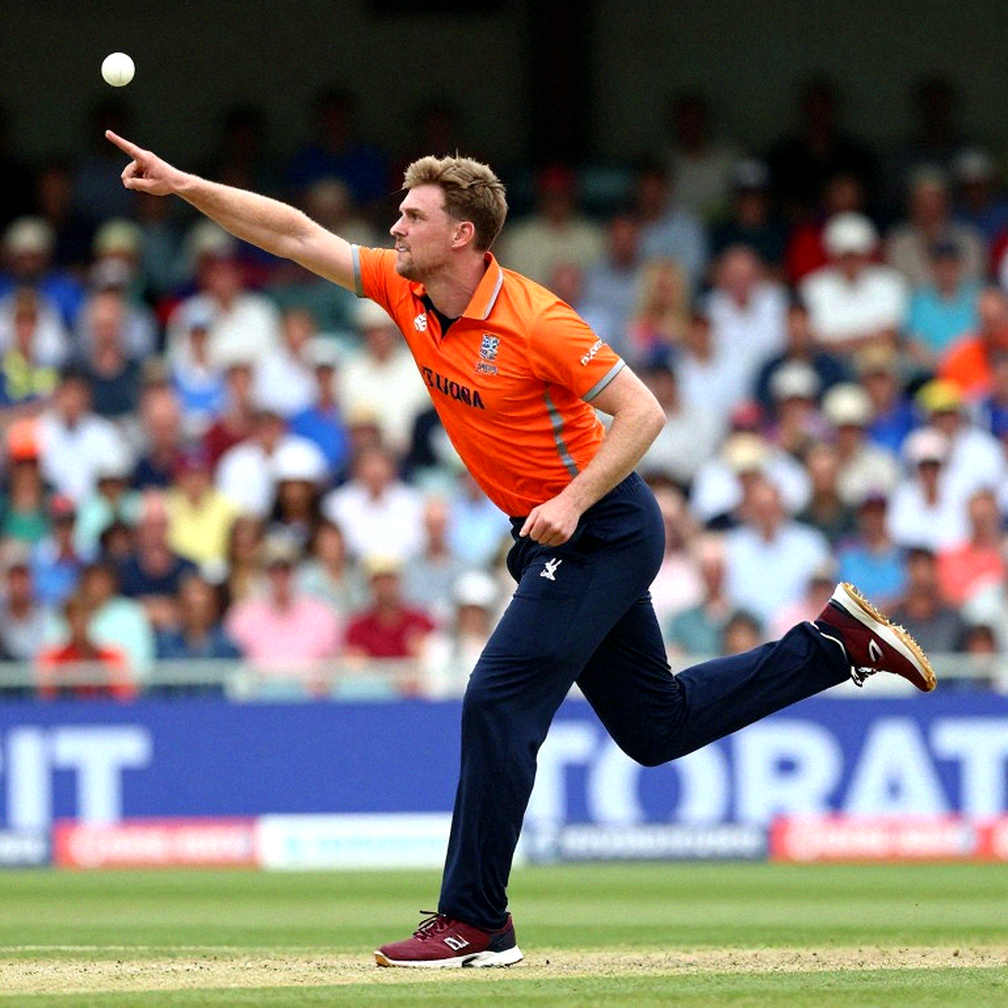
Covering cricket in the Australian market, I have seen again and again that the Big Bash is not merely a tournament—it is a labour-market window, where an international player's price and availability are constantly renegotiated. New Zealand's team has long played the role of a quiet force in that market—little noise, steady results.
This is where the real story hides. A central contract is a formal, guaranteed arrangement—the board gets priority over the player, and the player gets a fixed income. A casual contract is its lighter version: less certainty, more freedom. Treat Bracewell's decision as a one-off and you will be wrong. Before him, Mark Chapman, Finn Allen, Lockie Ferguson, Adam Milne and Tim Seifert walked the same road. A list of more than five names signals that this is not a sum of individual choices—it is a structural trend. NZC now keeps a core of 20 centrally contracted players, and the rest of the space is filling up with flexible arrangements.
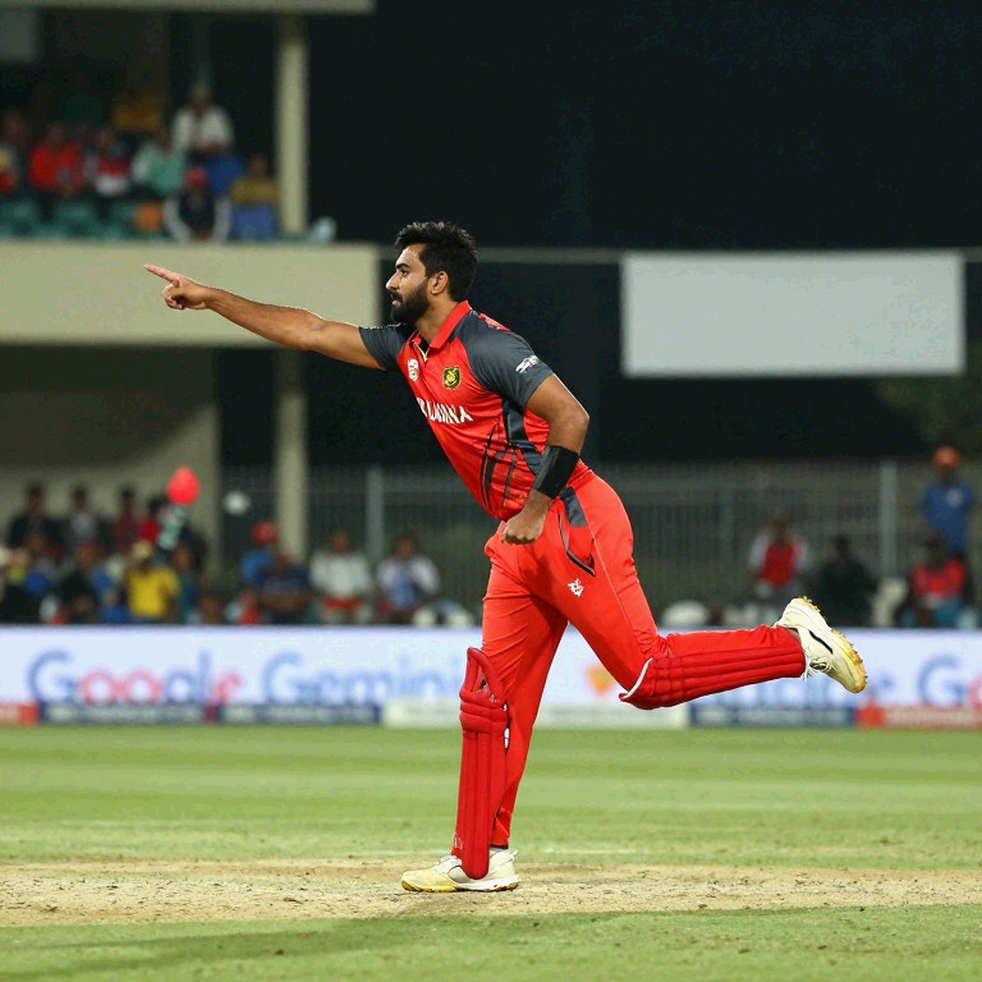
The contract market is, after all, a rumour with a pulse and a deadline. In Bracewell's case the rumour came true, but the real question is not player rebellion—it is labour-market balance. NZC's flexible system is in fact a retention strategy: if T20 specialists are not bound by the rigid terms of a central contract, they stay selectable for international cricket instead of walking away from the national side entirely toward the franchise leagues. The board's arithmetic is clear—guaranteed money is saved, and in return the player's access to the field is retained.
Bracewell's age curve matters here. Thirty-five means the downward slope for an all-rounder, because the double role of batting and bowling places more strain on the body. The experience of 105 caps proves his value, but in the white-ball format the Big Bash window and the international series window collide most directly. The risk, then, is not of performance but of scheduling.
The league-versus-country tug is nothing new in world cricket. But NZC's method is different, because no side fully wins here. The Big Bash is the net beneficiary of this transaction—it gains an experienced international all-rounder without paying the cost of developing him. NZC, meanwhile, keeps its years of investment but loses exclusive control. In other words, a small board carries the cost of player development and then shares the player with a foreign league.
Nick Kelly's promotion is another signal. The left-handed batter has earned his first full-time central contract on the back of several seasons of consistent domestic performance. A left-hand batter does not merely add runs; he creates matchup variety in the top order—especially against leg-spinners. The coach's stated position is that "introducing players later" is actually an advantage. This is a philosophical decision against the youth bias: the mature domestic performer is being given the chance.
One caution is necessary. The report quotes Rob Walter as New Zealand's coach. In public records that name aligns more closely with South Africa's white-ball role, while New Zealand's coaching structure has historically been identified with Gary Stead. So while the rationale for Kelly's promotion holds, this quotation is subject to verification—source reliability is questionable here.
Our biggest error is one of framing. Alongside the global wave of T20 free agency, we want to read Bracewell's decision as "money over country". The facts do not say that. He has not retired, he has not been exiled, and he has not rebelled against the board; on the contrary, he has thanked NZC for its flexibility. That is, this is not a confrontation—it is an accommodation model.
The real blind spot is that if the trend spreads, New Zealand's T20 side could in future be built largely from casual-contract players. Squad cohesion and central planning would then become complicated. Because when a player sits outside the board's permanent umbrella, his availability becomes contentious in any league clash. And one factor almost nobody notices—the actual control detail of this system, the release windows and priority clauses, stays hidden in the unquoted part of the contract.
There is a larger warning in this context. The collision between the ICC's Future Tours Programme and the expanding franchise-league calendar will only intensify. What is a flexible accommodation today could become a selection crisis tomorrow, if a star player declines a national call-up for a league match. Then the story flips from "accommodation" to "conflict".
Coming to cricket from football, I have seen one thing again and again: Russia taught me that a mispronounced name is a small border crossing. Bracewell's casual contract is similar—his name is not on the list, but on the other side of the border he is still playing.
Standing between the Big Bash window and the India series, Bracewell's decision may be stable for now. But the question lingers: who decides this flexibility—the board, or the league calendar? Sports culture is the archive of feelings we refuse to delete. And in white-ball cricket, that archive is being rearranged right now, name by name.